

Rummy Meaning in Blackjack: What Is Rummy in Blackjack Game?
Rummy Meaning in Blackjack: What Is Rummy in Blackjack Game?
Ever played blackjack and heard someone mention “rummy” at the table? You might be wondering what rummy, a word usually linked with a different card game, has to do with blackjack at all.
It’s a phrase that often pops up in casinos and online games, sparking curiosity among both new and seasoned players. Could it be a special move, or perhaps a side bet you’ve never tried before?
If you’re keen to unravel the connection between rummy and blackjack, you’re in the right place. Read on to learn what “rummy” really means in the world of blackjack.
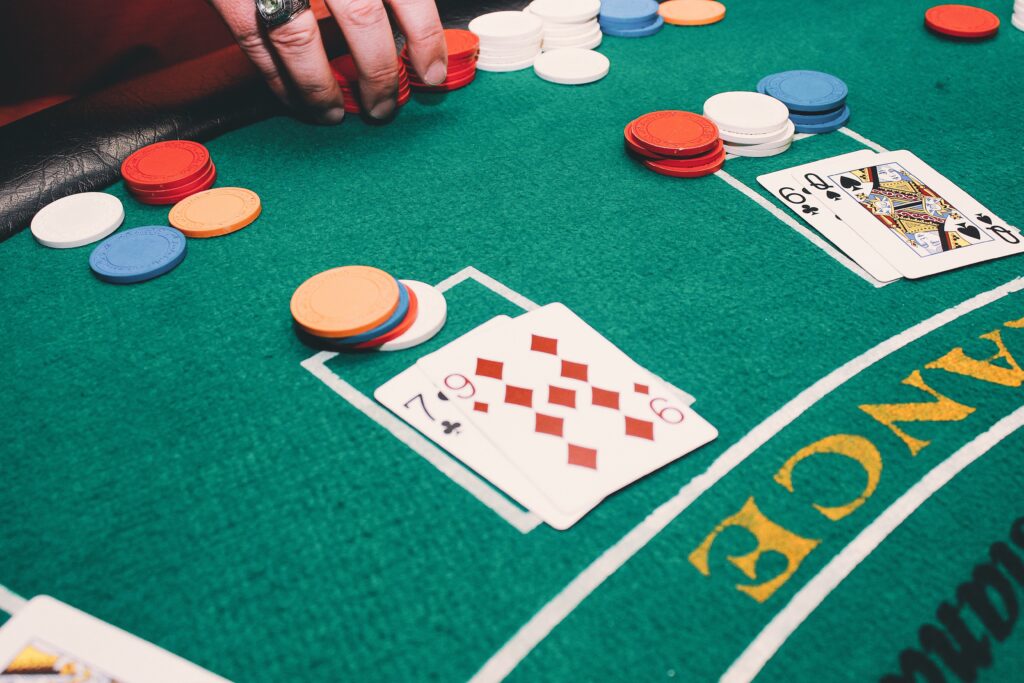
What Does Rummy Mean In Blackjack?
In the context of blackjack, “rummy” does not refer to the classic stand‑alone rummy card game. It is an optional side bet offered at some blackjack tables and is separate from the main hand.
This side bet uses the first three visible cards in a round: your two starting cards plus the dealer’s upcard. If those three cards form a qualifying combination—commonly three of a kind, three of the same suit, or a three‑card straight—the rummy bet pays out.
The outcome of your primary blackjack hand does not affect this side bet. For example, you could lose your main hand yet still be paid on a qualifying rummy combination, or vice versa.
Exact paytables, available combinations, and eligibility can vary by casino, table, and software, and the house edge on side bets is often higher than on the main game. Always check the posted rules before placing a wager.
Side bets increase volatility and are not suitable for all players. Set limits, only gamble what you can afford to lose, and remember that outcomes are based on chance. Availability may differ by jurisdiction and age restrictions apply.
How Do Rummy Rules Work In Blackjack?
Rummy rules in blackjack relate to an optional side bet. It looks only at the first three cards dealt at the start of the round and is entirely separate from whether your main hand beats the dealer.
To win the rummy side bet, those three cards must form one of the following:
- Three cards of the same value, such as three kings
- Three cards of the same suit, for example all hearts
- Three cards in sequence, such as 7, 8 and 9 in any mix of suits
The rummy bet settles immediately once the initial cards are revealed, and it does not change how you play or resolve your main blackjack hand. If the three cards do not make a qualifying combination, the side bet loses regardless of what happens next in the round.
Payouts, qualifying rules (for example whether Aces can be high or low in a sequence), and stake limits are set by the table’s paytable and house rules, which can vary. Always check these before placing the wager, as the side bet typically carries a higher house edge and greater volatility than the main game.
Common terms you may see include:
- Trips: three of a kind (same value)
- Suited three: three cards sharing the same suit
- Run/sequence: three cards in consecutive order, suits not required
The side bet is optional, available only where offered, and is settled independently from pushes, blackjacks, or insurance on the main hand. Bet responsibly, only stake what you can afford to lose, and ensure you meet any eligibility requirements for the table or promotion.
Common Rummy Terms To Know
A set is three cards of the same rank, such as three 9s, usually with each card from a different suit. Some variations allow a fourth card to extend the set, and house rules may permit jokers or wild cards to complete it, but duplicate suits are typically not allowed.
A run is three cards in sequence, like 2, 3 and 4, regardless of suit as used in this ruleset. Aces are commonly treated as high or low but not both at once, so a sequence such as Q, K, A may be valid while K, A, 2 is usually not—always check the specific table rules.
Suited means all three cards share the same suit, for example all spades, which may be relevant when forming certain runs or meeting minimum meld requirements. The exact need for suited cards can vary by game variant, so confirm whether your table requires suited sequences or accepts mixed suits.
A side bet is an extra wager placed alongside your main blackjack bet, with its own rules and payouts, and it is always optional. Outcomes and returns can differ from the main game and may carry a higher house edge; set a budget, read the paytable carefully, and only stake what you can afford to lose.
How Is Rummy Different From The Rummy Card Game?
In blackjack, “rummy” is the name of an optional side bet that looks only at your first two cards and the dealer’s upcard to see if they form certain combinations. It is not a separate game, and it does not involve drawing, discarding, or any ongoing decisions beyond placing the wager. The bet is resolved as soon as the initial cards are revealed.
This side bet does not change how your blackjack hand is played. Win or lose, the regular blackjack round then proceeds as normal using standard rules. As with all side bets, outcomes are based on chance, payouts and qualifying combinations can vary by venue, and the return to player may be lower than the main game. If you choose to participate, stake only what you can afford and remember that side bets are entirely optional.
Traditional rummy, by contrast, is a standalone card game played over several turns or rounds. Players draw and discard as they build valid sets or runs from larger hands, making ongoing choices about which cards to keep or throw away. The focus is on hand management and sequencing over time, not on a single reveal.
None of that applies to the rummy side bet in blackjack. The blackjack version is resolved on one deal, involves no further player decisions, and does not affect the strategy or outcome of your main blackjack hand beyond any separate win or loss on the side bet. Rules and payouts can differ between casinos, so check the table information before playing. You must be 18+ to gamble in the UK. Please gamble responsibly.
Why Does Rummy Appear In Some Blackjack Variants?
Rummy appears as an optional extra to add variety to blackjack. It is a separate, chance-based side bet that is settled independently of the main hand, offering another way to receive a payout alongside the usual aim of finishing with a stronger hand than the dealer.
Because it is optional, placing the Rummy side bet does not alter the core rules of blackjack. Your main hand is still played in the standard way, and any side-bet outcome is determined by the qualifying card combinations specified for that table.
It is more common online, where game providers release multiple variants with different side bets and paytables. Availability is not universal, and details can vary by casino, provider, and table, including bet limits, eligible hands, and how the wager is settled.
Before you play, review the rules and paytable for the specific game, as return to player (RTP) and house edge can differ from the main game and from one variant to another. Side bets generally have a higher house edge, so consider your budget and treat them as an optional extra rather than a strategy to improve results.
Always gamble responsibly, set limits, and only stake what you can afford to lose. Outcomes are determined by the shuffled shoe or RNG, and no bet guarantees a win.
Wondering what those qualifying hands look like when the cards hit the felt? They typically involve specific sets or runs defined by the paytable, but the exact definitions and payouts depend on the table rules. A few quick examples make it clear, and any examples you see are for illustration only—always follow the on-table rules for the game you are playing.
Examples Of Rummy Hands In Blackjack
Rummy hands in blackjack are formed using your two initial cards together with the dealer’s upcard. These combinations are assessed before regular blackjack decisions and, where offered, can trigger a side-bet payout.
Below are some clear examples to illustrate how qualifying hands can appear in standard play.
Three of a Kind:
You receive the 10 of hearts and the 10 of clubs, and the dealer’s upcard is the 10 of spades. This produces three of a kind, as all three cards share the same rank.
This outcome is determined as soon as the dealer’s upcard is shown and does not depend on how the main blackjack hand plays out.
Three in a Sequence (Straight):
You are dealt the 5 of diamonds and the 6 of clubs, and the dealer shows the 7 of hearts. These cards form a three-card sequence because they run in consecutive order.
Suits do not need to match for a sequence; only the ranks need to be in consecutive order according to the table’s rules.
Three of the Same Suit:
Your cards are the 2 of spades and 8 of spades, and the dealer reveals the ace of spades. All three cards share the spade suit, creating a suited rummy combination.
Some tables may also recognise other suited combinations; always check the specific rules in use at your table.
If you have placed the rummy side bet, qualifying hands are settled immediately according to that table’s posted paytable. Payouts, qualifying rules, and any ranking order can vary by game provider and casino.
Side bets are optional and have different odds to the main game. They are resolved independently of the main blackjack hand and do not guarantee a return. Please set limits, play within your means, and remember that all outcomes are determined by chance.
Does Rummy Affect Payouts Or House Edge?
Rummy only affects payouts if you choose to place the optional side bet. The main blackjack wager follows its usual rules and odds, and the side bet is settled separately to your core hand outcome.
Availability and exact rules can vary by casino and provider, so always check the table information before you play.
Paytables for rummy differ by casino and game provider. Higher payouts are typically assigned to combinations that occur less often, such as specific three‑card sets, which is why the headline figures may appear appealing.
Remember that any stated return is theoretical (RTP) and calculated over a very large number of rounds. It is not a promise of what you will win, and short‑term results will vary due to chance.
Side bets usually carry a higher house edge than core blackjack, meaning the casino advantage on those wagers is greater over time. They also tend to be more volatile, so expect bigger swings in results compared with the main game.
If you prefer to keep to standard blackjack, simply skip the side bet and nothing changes. If you do opt in, set sensible limits, keep stakes small relative to your bankroll, and only gamble what you can comfortably afford. Outcomes are random, and no system can guarantee a return—take breaks and never chase losses.
How To Spot Rummy Rules On A Table Or Game Lobby?
Most casinos make side bets easy to identify before you join a game. Side bets are optional and you should only place them if you understand how they work and are comfortable with the additional risk.
In a physical casino, check the table felt and nearby signage for a clear “Rummy” label, a brief summary of qualifying hands, and the full paytable. Look for any notes on what cards are used to form the hand (for example, player’s first two cards plus the dealer’s upcard), whether suits matter, and if there are specific dealer or player conditions that affect settlement.
It is also sensible to confirm the side bet’s minimum and maximum stakes, how payouts are expressed (to‑1 or for‑1), and any posted return to player (RTP) or house edge information where available. If anything is unclear, ask a dealer or floor supervisor to explain the rules; they can clarify procedures but will not provide advice on whether you should place the bet.
Online, the game lobby usually flags key features in the title or description. Look for an information (“i”) icon, rules or help pages, and a paytable panel that sets out qualifying hands, odds, and any game‑specific conditions. Many regulated sites also show the RTP for each side bet, which can differ from the main game.
Inside the game, the rules or help menu explains exactly how the rummy bet works, what qualifies, and how it pays. Live dealer tables often present side bet buttons on the interface, with tooltips or a paytable you can open. You can ask the dealer in chat, or contact support, for rule clarifications; they cannot give personalised recommendations.
Taking a quick look at these details before you sit down helps you understand what is available and how it pays. Terms, limits, and paytables vary by provider, and outcomes are random. If you are unsure, do not place the side bet. With the basics in place, it is worth clearing up a few common myths.
Common Misconceptions About Rummy In Blackjack
One misconception is that “rummy” means you are playing two games at once or need to know the full rules of classic rummy. You do not. The mechanics of blackjack remain unchanged, and knowledge of traditional rummy is not required.
In blackjack, “rummy” is simply an optional side bet. You can ignore it entirely and play your main hand as usual without any impact on the base game.
Another is that the rummy bet changes the outcome of your main hand. It does not. The side bet is evaluated separately from the core blackjack result and typically resolves on the first two player cards plus the dealer’s upcard.
Whether you win or lose your main hand has no bearing on the side bet, and vice versa. The side bet has its own paytable and is settled independently under the table’s published rules.
It is also easy to assume the rummy bet is offered everywhere. In reality, it appears only on selected tables and variants, and availability may differ by venue, software provider, and stake level.
Always check the table rules and the paytable before placing a rummy wager. Specific combinations and payouts can vary, so confirm how it works where you are playing.
Finally, some believe rummy offers better overall returns than standard blackjack. In practice, side bets typically carry a higher house edge and higher volatility, so they should be viewed as an entertainment feature rather than a route to consistent profit.
Bet responsibly: set limits, keep stakes modest, and only wager what you can afford to lose. Side bets are never a guaranteed way to win, and you should not chase losses.
Understand these points and the term “rummy” becomes straightforward. It is a short, self-contained side bet that pays on specific three-card combinations, such as runs, suited runs, pairs, or three of a kind—though exact qualifiers depend on the table.
It is entirely optional, available on certain tables if you choose to use it, and it does not alter the standard rules or decisions of your blackjack hand.
**The information provided in this blog is intended for educational purposes and should not be construed as betting advice or a guarantee of success. Always gamble responsibly.