

Soft 17 in Blackjack Explained: What It Means & When to Hit
If you’re aiming to sharpen your blackjack skills, understanding “soft 17” is essential. It’s a simple idea, but knowing what it means and how to play it can make a clear difference to your results.
Whether you’re new to the game or brushing up on the basics, getting to grips with the soft 17 rule helps you make more confident choices.
Curious how soft 17 affects your decisions, and whether you should hit or stand? Read on to find out everything you need to know, in plain English without the jargon.
What Is A Soft 17 In Blackjack?
A “soft 17” is any hand totalling 17 where at least one Ace is counted as 11 rather than 1. The classic example is Ace–6, but combinations like Ace–2–4, Ace–3–3, or Ace–5–Ace also qualify, provided one Ace is valued at 11 to make 17.
The key feature of a soft hand is flexibility. If you take another card and the total would go over 21, the Ace can be reduced from 11 to 1, keeping the hand in play. This safety net means you can draw without immediately risking a bust, although repeated hits can eventually turn the hand “hard” if the Ace must be treated as 1.
This contrasts with a “hard 17,” such as 10–7 or any 17 where the Ace must count as 1. Hard hands have no buffer against busting, so taking another card is generally far riskier because any high-value draw can push the total over 21.
That flexibility matters even more once you factor in how the dealer must play a soft 17. Table rules vary: some games require the dealer to stand on all 17s (often shown as S17), while others require the dealer to hit on soft 17 (H17). This rule changes how often the dealer improves or busts, and typically increases the house edge slightly when the dealer hits on soft 17.
Always check the specific table rules before you play so you understand how soft 17s are handled. The information above is for general guidance only and does not guarantee any outcome. Please play responsibly and only if you are over 18.
Does The Dealer Hit Or Stand On Soft 17?
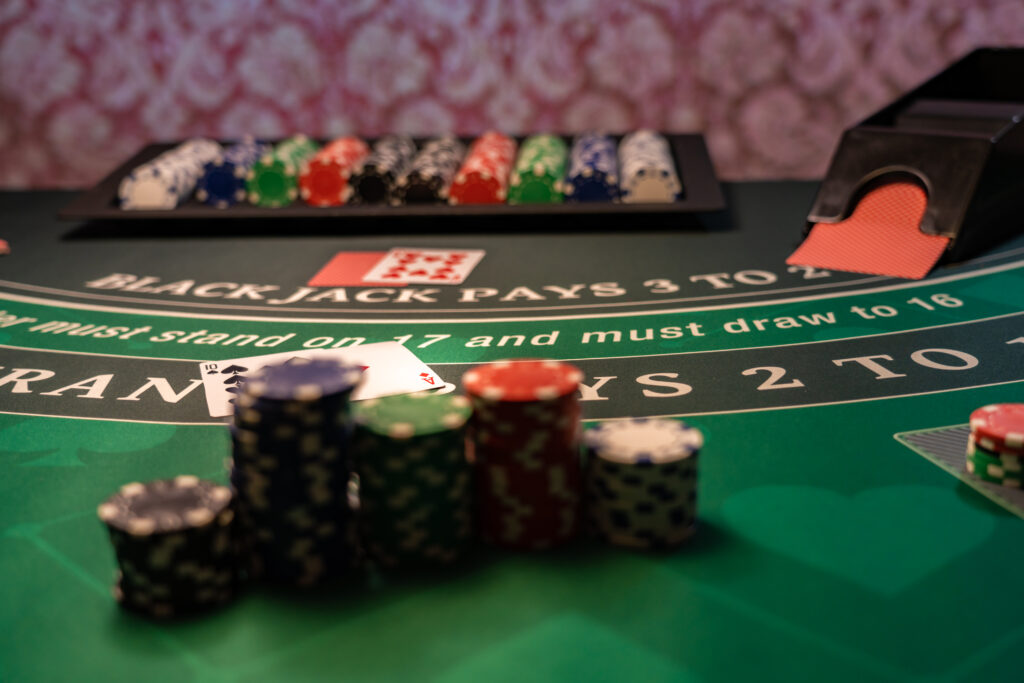
Whether the dealer hits or stands on soft 17 depends on the table rules. You will usually see this printed on the felt or shown in the game info, often as H17 (dealer hits soft 17) or S17 (dealer stands on soft 17).
A “soft 17” is any 17 that includes an Ace counted as 11, such as Ace–6. By contrast, a “hard 17” has no Ace counted as 11, or the Ace must be counted as 1 to avoid busting.
- Stand on soft 17: once the dealer reaches any 17, they stop. This keeps the dealer from drawing further and can slightly reduce the house edge.
- Hit on soft 17: the dealer must take another card when holding a soft 17, even though they would stand on a hard 17. This rule can lead to stronger dealer totals and typically increases the casino’s edge.
These rules nudge the odds. H17 slightly increases the casino’s advantage compared to S17, and it can also shift optimal basic strategy decisions in a few hands. If you are unsure, check the table placard or the game’s help/paytable section online, or ask the dealer before you start.
Understanding whether the dealer hits or stands on soft 17 helps you set expectations about volatility and return. It does not guarantee outcomes, but it allows you to choose tables that match your preference and to follow an appropriate strategy.
Gambling should be fun and affordable. Only stake what you can afford to lose, set limits, and stop if it is no longer enjoyable. 18+ only; please play responsibly.
So why should you care about this small line on the felt?
Why The Dealer Rule Matters For Players
The dealer’s soft 17 rule shapes both the odds and your decisions. A “soft 17” is a total of 17 that includes an Ace counted as 11 (for example, A‑6). If the dealer stands on soft 17 (S17), they have fewer opportunities to improve that hand, which is marginally better for the player. If the dealer hits on soft 17 (H17), they take an extra card and can more often reach a stronger total such as 18–21.
The difference is small but meaningful over time. In many common rule sets the house edge with H17 is typically higher by a few tenths of a percent, though the exact figure depends on factors like decks in use, doubling rules, and whether surrender is offered. Always check the specific table rules before you play, as variations can change optimal decisions.
It also affects close strategy calls. The best play with soft hands can shift depending on H17 or S17. For example, soft doubles are often more appealing when the dealer hits on soft 17, because you gain extra value when applying pressure against a dealer forced to draw. Hands such as A‑7 may double more frequently under H17 than under S17, whereas under S17 you may be more inclined to stand in some of those matchups.
In short, understanding the table rule helps you choose the higher‑percentage option with your own soft hands. Using a basic strategy chart that matches the exact rules can help you avoid guesswork and make consistent, disciplined decisions.
Remember that outcomes are never guaranteed and short‑term results can vary widely. Set a budget, take breaks, and avoid chasing losses. If you are unsure about the rules at a live table or online, ask the dealer or consult the game’s help screen before you start.
With that in mind, how should you approach your soft 17 in practice?
When Should I Hit A Soft 17?
In most games, a sensible default with soft 17 against a dealer 7, 8, 9, 10 or Ace is to hit. Your current total seldom wins outright in those match-ups, and the Ace gives you the flexibility to take another card without an immediate risk of busting.
This guidance reflects commonly accepted basic strategy and assumes no card counting. Exact house rules can shift the maths slightly (for example, whether the dealer hits or stands on soft 17, the number of decks, or whether resplitting Aces is allowed), so always consider the table’s posted rules before deciding.
Against weaker dealer upcards, many strategies recommend doubling down if permitted. Doubling increases both potential return and risk, so use it only where the rules allow and you are comfortable with the higher stake. A typical approach is:
- Double on soft 17 against dealer 3 to 6.
- In some H17 games, doubling against a 2 is also used, but this depends on the exact rules.
Some venues restrict soft doubles or only allow doubling after specific hands; check the table signage and confirm with the dealer if unsure. If doubling is not available or you prefer not to increase your wager, hitting is usually the next-best play.
Standing on soft 17 tends to underperform because you forgo opportunities to improve to stronger totals. There can be rare, composition-dependent exceptions in niche rule sets, but for most standard games this is uncommon.
No strategy guarantees a win. Basic strategy aims to reduce the house edge, not remove it. Play within your means, set limits, and treat gambling as entertainment. If the fun stops, stop.
How To Play Soft 17 Against Different Dealer Upcards
When To Hit Against Dealer 2 To 6?
These are generally the dealer’s more vulnerable cards, and soft 17 (Ace‑6) has room to improve. On a two‑card soft 17, doubling against 3 to 6 is a common basic‑strategy recommendation, as it can improve your expected return when the dealer is more likely to finish on a middling total. The dealer 2 is a borderline case: some rule sets and deck numbers support a double there, while many multi‑deck charts prefer a straightforward hit.
Always confirm the table rules first. Whether the dealer hits or stands on soft 17 (H17 vs S17), the number of decks, and whether doubling after a split is allowed can all shift the correct play. Use a chart matched to your specific game to minimise the house edge; no strategy guarantees a profit.
If doubling is not available or not advised by the chart, take a hit. The extra card often turns soft 17 into a stronger total such as 18 or 19, and the Ace provides protection by converting to 1 if needed. If your hand becomes a hard total (for example, A‑6‑10 becomes 17), reassess using the hard‑hand guidelines for that total.
When To Hit Against Dealer 7 To Ace?
Here, the dealer’s upcard is strong and a soft 17 will rarely be enough. Hitting is the standard play, aiming to improve to at least 18 or 19. Thanks to the Ace’s flexibility, that first hit is protected, which makes pressing for a better total the sensible move in most rule sets.
As ever, consult a full basic‑strategy chart for your game’s exact rules, and make decisions hand by hand. Play within your limits, set a budget, and remember that even optimal strategy cannot remove the house edge.
How Soft 17 Affects The House Edge
Requiring the dealer to hit soft 17 (H17) increases the house edge compared with standing on soft 17 (S17). The exact impact depends on the other table rules in place, but a commonly cited difference is around 0.2 percentage points in the casino’s favour. This figure reflects the long‑term expected result and is an estimate rather than a guarantee.
The reason is straightforward. Allowing the dealer an extra draw on soft 17 helps convert marginal totals into stronger hands such as 18–21 more often than would occur under S17. Although the dealer will sometimes bust, the net effect over time benefits the house.
That edge applies over many hands and does not predict short‑term results. You can still experience winning or losing streaks due to variance, and no table rule removes the inherent risk of play.
If you have a choice, S17 tables are usually the more favourable option for players, although the difference is modest. Use basic strategy appropriate to the table rules, and remember that choosing S17 does not ensure profit. Set limits, play within your means, and treat the game as entertainment.
Quick Decision Guide For Soft 17
A soft 17 is a hand totalling 17 that includes an Ace counted as 11 (for example, Ace–6). Use this shorthand to keep your choices consistent and clear before the pressure of the next card, while remembering it is guidance rather than a guarantee of success.
- Dealer shows 3 to 6: Double down if the rules allow (including after a split where permitted). If doubling is not allowed, take a hit and play the hand out normally.
- Dealer shows 2 or 7 to Ace: Hit. Continue to hit until the hand becomes a hard total where basic strategy would have you stand.
If the table uses H17, doubling against a dealer 2 can sometimes be included, but only when the rules specifically support it and the game conditions make it sound. If in doubt, just hit.
Always check the table’s specific rules (S17/H17, number of decks, doubling after split, and whether surrender is offered) as these can affect the correct decision. No strategy removes the house edge, and outcomes are never guaranteed.
Gamble responsibly: set limits, only stake what you can afford to lose, and do not chase losses. For adults aged 18+ only.
Common Misconceptions About Soft 17
“Soft 17 is a strong hand.” It isn’t. A soft 17 (typically an Ace counted as 11 with a 6) looks tidy but, left as is, it wins too infrequently against common dealer upcards. The usual objective is to develop the hand into 18–21, or to reach a spot where the total has better prospects under the rules in play.
“You should stand on soft 17 to avoid going bust.” The first hit on any soft hand is protected by the Ace, so that initial draw cannot bust you. Because standing leaves you with a weak total that loses regularly to the dealer’s completed hand, taking at least one card is often the safer and more effective approach. The exact recommendation can vary by table rules, so follow a strategy chart that matches the game you are playing.
“Soft and hard hands are the same if they add to the same number.” They are not. A soft 17 has flexibility: the Ace can drop from 11 to 1 after you draw, letting you continue safely, consider doubling where allowed, or improve further. A hard 17 has no such cushion, which is why the advised plays for soft 17 differ markedly from those for hard 17.
“The dealer’s soft 17 rule does not affect me.” It does. Whether the dealer hits soft 17 (H17) or stands (S17) alters the dealer’s final outcomes and nudges both the odds and the best player responses. Marginal soft-hand decisions can flip between hit, stand, or double depending on that rule and other conditions such as the number of decks and whether doubling after split is permitted.
Mastering soft 17 means recognising the hand’s flexibility, understanding how the dealer’s rule set shifts the numbers, and choosing the action with the higher expected value over time. Outcomes are never guaranteed and the house edge remains, so use a game-specific basic strategy, set sensible limits, and take breaks if play stops being enjoyable.
**The information provided in this blog is intended for educational purposes and should not be construed as betting advice or a guarantee of success. Always gamble responsibly.