

3 Card Brag Rules Explained – Guide to How To Play & Win Hands
Love a fast-paced card game that keeps everyone involved? 3 Card Brag is one of the UK’s most enduring favourites, known for snap decisions, cheeky bluffs, and lively table chat.
Whether you’re brand new or just need a refresher, this guide walks through what matters: how the game flows, which hands win, and how to approach each round with a cool head.
By the end, you’ll understand the essentials and feel ready to sit down with confidence.
What Is 3 Card Brag?
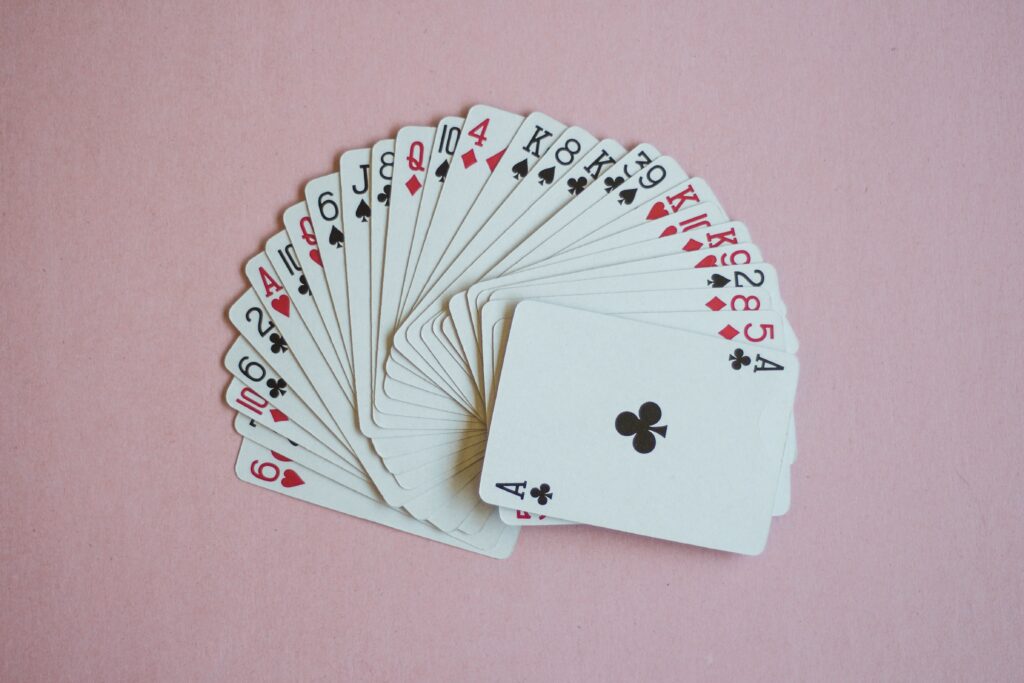
3 Card Brag is a traditional British card game that blends simple rules with moments of nerve and judgement. Each player receives three cards and aims either to hold the strongest hand or to persuade opponents to step aside with well-timed betting and occasional bluffing.
The game is typically fast and compact. Unlike poker, there are no community cards; you work only with the three you’re dealt, which keeps decisions tight and the action moving. It’s easy to pick up, yet the reading of opponents and betting pressure adds satisfying depth.
As with all card games, chance plays a central role. Sound strategy can improve your decisions, but no approach removes risk or guarantees a return. Rules and hand rankings can vary slightly by table or venue, so it’s wise to check house rules before you begin.
A typical round involves placing an ante or agreed stake, receiving three cards, and then choosing whether to bet, call, raise, or fold (depending on the variant). If more than one player remains after betting, hands are compared and the highest-ranking hand takes the pot.
Play should be for entertainment, within a budget you can afford, and only if you are legally permitted to participate. Never chase losses, and consider setting limits before you start.
If that sounds like your kind of challenge, the next step is understanding how a typical round unfolds.
How Do You Play A Round Of 3 Card Brag?
Dealing And The Betting Sequence
Before any cards are dealt, players agree an ante and place it into the pot. The dealer then gives everyone three face-down cards, taking care to keep dealing consistent and fair.
Betting begins with players acting in turn. They can continue in the hand by matching the latest bet or by increasing it to put pressure on the table. Action moves around until the betting is settled, players fold, or only two remain.
If it reaches a showdown, the remaining hands are compared and the strongest takes the pot. Outcomes depend on chance as well as judgement, and there are no guaranteed winning strategies.
House or home rules often set limits on bet sizes and how often a bet can be raised in a single round, so it’s worth confirming these before play starts. In licensed venues or online, the published rules and limits will apply and should be read before you join a game.
Only participate if you are 18+ and it is legal to do so in your jurisdiction. Set a budget you can afford to lose, and stop if the play is no longer enjoyable.
Player Choices: Fold, See Or Raise
On your turn, you choose how to respond to the current bet and the situation at the table. Take a moment to consider your hand strength, your position, and the action so far.
Fold means you step out and forfeit your ante and any chips already committed. This protects your remaining chips when the price to continue is not justified.
See keeps you in by matching the current bet so you can carry on to the next decision or, if only two players remain under your table rules, compare hands. Always check whether any extra payment is required to see in your variant.
Raise increases the stakes and asks others to either match your new amount, raise again, or fold. Good players mix these choices to avoid becoming predictable and to make opponents uncomfortable when they hold marginal cards, but no tactic removes the inherent risk.
Agree any table stakes, minimums and maximums before play begins, and never chase losses. If you feel you need a break or support, use the safer gambling tools provided by licensed operators.
Hand Rankings In 3 Card Brag
Knowing the hand rankings is essential for understanding the game flow and making informed choices. In Brag, the strongest possible hand is a prial, with all other hands ranked beneath it in a fixed order.
Rules and ranking conventions can vary by venue or table. Always check the specific house rules before you play for money. Outcomes are never guaranteed and all play involves risk.
Here’s how the hands rank from highest to lowest:
- Prial: Three cards of the same value. The top prial is three 3s, followed by Aces, Kings, Queens, and so on down to 2s. Example: 3-3-3 beats A-A-A.
- Running Flush: Three consecutive cards of the same suit (a straight flush). In most Brag games, A-2-3 is the highest running flush, then A-K-Q, K-Q-J, and so on. Example: 4-5-6 of hearts.
- Run: Three consecutive cards of mixed suits. As with running flushes, A-2-3 is usually the top run, then A-K-Q, K-Q-J, etc. Suits do not affect the ranking.
- Flush: Three cards of the same suit, not in sequence. If two players have a flush, compare the highest card, then the next, then the third if required. Example: A-10-6 of clubs beats A-9-8 of clubs.
- Pair: Two cards of the same value plus a third card (the kicker). Higher pairs beat lower pairs, and if pairs tie, the kicker decides. Example: 9-9-K beats 9-9-Q.
- High Card: None of the above; the single highest card decides, then the next highest if needed. Ace is high for this comparison.
If hands are the same type, compare the highest relevant card within that type, then the next as needed. For runs and running flushes, A-2-3 is typically treated as the highest sequence; there is no wrap beyond this (e.g., 2-A-K is not a run). Suits do not rank and cannot break a tie.
If two hands are exactly equal under the table rules, the result is a tie and the pot is resolved according to the agreed procedure (for example, split, redeal, or roll-over). Understanding what beats what helps you follow the action, but it is not advice and does not ensure success. Play responsibly and only with money you can afford to lose.
How Are Payouts And Ante Bonuses Calculated?
In home games, the winner simply collects the pot built from antes and any raises, with the total determined by all contributions made during the hand. If two or more players tie, the pot is usually split evenly, with any odd chip allocated by a pre‑agreed method.
Because there is rarely a rake in friendly games, the structure stays straightforward and the focus remains on reading the table and making sensible betting choices. Agree the house rules in advance, including limits, side pots, misdeals, and how ties are settled, to avoid confusion once real money is at stake.
In some online or casino versions, there may be extra payments for strong hands called ante bonuses. These are paid on top of your standard win if your hand qualifies, and they are settled according to the displayed paytable rather than the size of the main pot.
A prial typically pays the highest bonus, a running flush a little less, and a run the lowest of the three. Exact figures vary by table and may depend on stake levels, table limits, or house rules. Some venues also apply maximum payout caps or rounding rules, so always read the paytable and terms before you sit down.
If ante bonuses are in play, they are usually awarded automatically when your hand meets the criteria, regardless of other outcomes, but some tables have specific eligibility conditions. Check whether the bonus is paid per hand, whether it is affected by dealer qualification rules, and whether any side bets interact with it.
Remember that all outcomes depend on chance and that bonuses do not change the underlying odds. Never risk more than you can afford to lose, set limits, and treat any bonus as a feature of the game rather than an expectation of profit.
How Do Table Rules And Variants Affect Play?
Different tables add different twists. The number of decks, the use of jokers, and specific paytables can all shift the odds and the pace. Some games include optional side bets or special payouts for particular hands; these can be fun but often come with a higher house edge and greater volatility, so treat them as extras rather than core strategy.
Others allow wild cards, which can count as any value and change the texture of the game by altering hand frequencies and relative hand strength. Make sure you understand exactly which cards are wild, how ties are resolved, and whether hand rankings are adjusted for that variant, as these details affect both risk and reward.
Betting structures also vary: a fixed limit keeps pots controlled, while more open formats such as pot-limit or no-limit let players apply pressure with larger raises. Table minimums and maximums, buy-in requirements, and any cap on raises will influence how much you can win or lose in a session, so choose a table that matches your bankroll and appetite for risk.
Speed of play and procedural rules matter too. Rules on bet timing, re-buys, and when you may sit in or stand up can affect decision quality and session length. If there’s a progressive or bonus feature, check the contribution rate and payout conditions, and review the paytable so you know what you’re aiming for and the likelihood of hitting it.
Clarifying the house rules in advance avoids surprises and helps you judge when to push, when to control the pot, and when to step back. Read the rules and payout information before you start, and only stake what you can afford to lose. Set personal limits, take breaks, and never chase losses—outcomes are random, and no strategy can guarantee a profit.
How Can I Improve My Play And Win More Hands?
Winning more hands in 3 Card Brag comes from sound decisions, disciplined bankroll management, and strong table awareness. No approach can guarantee success, but sharpening your process helps you make clearer, more consistent choices under pressure.
Stay mindful of the table’s flow, including how deep the stacks are and who is applying pressure. Identify who plays tightly and who can be moved off hands, and be prepared to adjust as dynamics shift.
Pay close attention to betting tempo and sizing. A sudden increase after quiet play can signal strength, while frequent small raises might be testing resolve or probing for information. Compare these patterns with what you’ve seen at showdown to avoid overvaluing a single read, and remember that context offers guidance, not certainty.
Note how players react to pressure on different streets and when the pot grows quickly. Hesitation before a large call can suggest doubt, while confident, consistent sizing across streets often represents a made hand. Use these clues to inform, not dictate, your decisions.
Choose your starting hands with intent. Premium trios and strong high-card holdings warrant aggression; speculative or marginal hands can be playable if you have position and a clear plan to apply pressure. If opponents show conviction with multiple confident bets, folding early often preserves chips for better spots.
Think in advance about how your hand will navigate future bets. If your plan relies on fold equity, be ready to abandon it when the table shows clear resistance. Preserving your stack is a skill in itself and reduces the impact of short-term variance.
Bluffing has its place, although it works best when your recent play makes the story believable. Pick moments where your actions align with what a strong hand would do, tailor your sizing to the tale you’re telling, and avoid overusing the same move against attentive opponents.
Target bluffs at players who can fold and avoid those who call too widely. Use your image wisely; if you’ve shown down strength, your bluffs may get more respect, while a loose image may call for value-heavy lines.
Practise counts. The more hands you see, the better you’ll read situations, balance your ranges, and stay calm when decisions matter. Review tough spots after the session, keep brief notes on regular opponents, and take short breaks to reset your focus.
Always play responsibly. Outcomes depend on chance, and even strong decisions can lose in the short term. Set clear spend and time limits, only risk what you can afford to lose, and never chase losses. If gambling stops being enjoyable, take a break and consider seeking support. You must be 18+ to gamble in the UK.
Common Mistakes New Players Make
New players often try to force the action with weak hands. It is tempting to hang on and hope the table blinks first, but most spots do not improve simply by waiting. Knowing when to let go is a skill in itself.
Steady folding of clear underdogs protects your stack and keeps you in the game longer. Patience, position, and understanding typical ranges matter; you will not find a profitable spot in every deal, and that is fine.
Another slip is ignoring opponents. Watch who tends to raise light, who slows down under pressure, and who only commits with clear strength. Patterns emerge over time, not one hand.
Make small, objective notes and avoid snap judgements. These observations help you make more informed decisions, without assuming you will win a particular hand.
Finally, avoid chasing losses or drifting above the limits you set for yourself. Agreeing a spend before you start and sticking to it keeps play enjoyable and within your control, which is exactly how 3 Card Brag should feel.
Consider setting deposit and time limits, take regular breaks, and only play what you can comfortably afford to lose. If play stops being fun, pause and seek support. Never gamble as a way to solve financial problems, and only play if you are over 18.
**The information provided in this blog is intended for educational purposes and should not be construed as betting advice or a guarantee of success. Always gamble responsibly.