

Worst Numbers in Roulette: Separating Facts from Myths
Some numbers at the roulette table have a reputation for being better or worse than others. Stories about certain numbers causing disappointment are common, but it is not always clear if these tales come from actual patterns or just popular opinion.
Many people wonder whether avoiding specific numbers might make a difference or if the wheel might favour some outcomes over others. This post explores the ideas behind so-called “worst” numbers in roulette and what the game’s design actually suggests.
Read on to find out more.
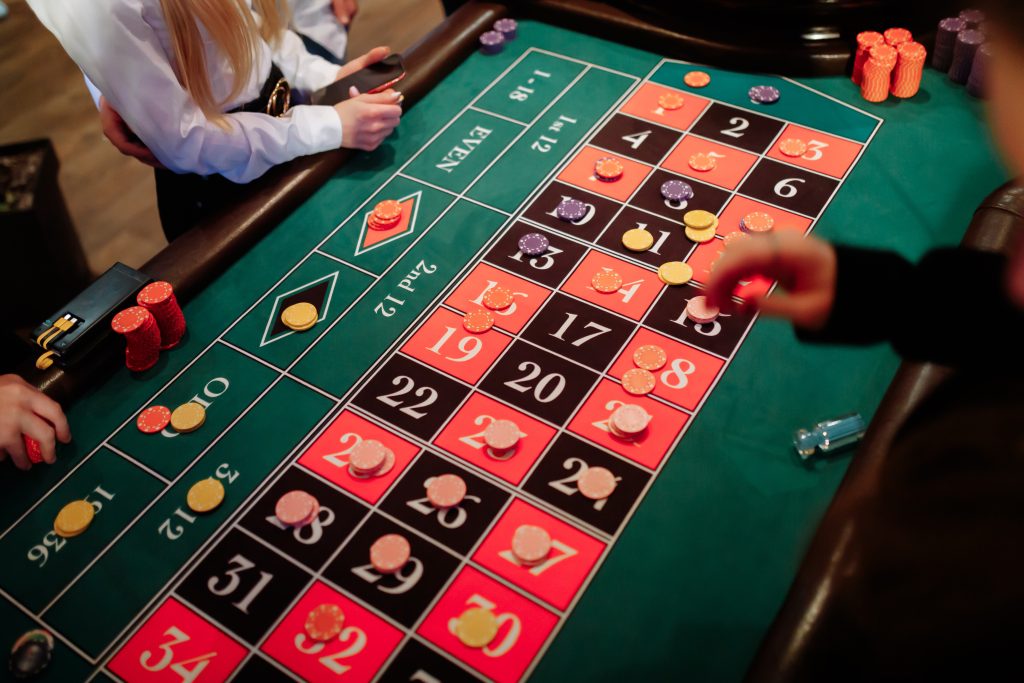
Why Players Question the Worst Numbers in Roulette
Some players begin to question particular numbers after noticing patterns in past spins. If a number does not seem to appear frequently, it can quickly develop a reputation for being less favourable.
Stories about numbers that seem to appear less often can spread quickly, especially when someone recalls missing multiple times on the same selection. Over time, this might reinforce the idea that some numbers might be “worse” than others.
Roulette also has a distinctive layout with zero, and sometimes double zero. These pockets have a subtle effect on how outside bets, such as red, black, odd, or even, perform, which may strengthen beliefs about certain numbers being less advantageous.
Human nature makes it tempting to see meaning in randomness, so ideas about better or worse numbers tend to persist, even though each spin is independent.
With this in mind, which number do players most often single out?
What Is Considered the Worst Number in Roulette?
Zero is frequently named as the “worst” number, especially for outside wagers on European wheels, and both zero and double zero on American wheels. These pockets do not count towards categories like red, black, odd, or even, so they might cause those bets to miss more often.
Some players also have personal numbers they dislike, based on past experiences. However, it is important to remember that each number has an equal chance of appearing on a fair wheel. No system or selection of numbers can guarantee better results.
This raises a question: Does zero really change the odds, or is its effect mostly about how the game is set up?
Does Zero Really Hurt Your Chances More Than Other Numbers?
Zero is unusual because it sits outside the categories used for outside wagers. If you were hypothetically placing bets on red, black, odd, or even, zero might cause those bets to miss.
Yet, a straight-up bet on zero is no less likely than a bet on any other single number. On European wheels, there are 37 pockets, including zero. American wheels have 38 pockets, with zero and double zero. That extra pocket on American layouts slightly reduces the frequency with which non-zero bets hit, which is why the house edge is higher compared with European roulette.
In short, zero exists to give the casino a small edge in the game, but it does not make the number itself more likely to appear than any other if the wheel is properly maintained.
Are There Numbers You Should Avoid on European vs American Wheels?
European and American wheels differ in design. The European version includes a single zero, while the American wheel adds a double zero. That additional pocket on American wheels affects the success rate of outside wagers slightly compared with European wheels.
Some players, therefore, might choose to steer clear of zero or double zero for certain bets. But even with this in mind, every individual number has the same probability of landing on a well-maintained wheel. No single non-zero number is inherently less likely to appear on either layout.
If every number is equally likely, why do some players still notice “streaks” or hot and cold numbers?
Separating Facts from Myths About ‘Hot’ and ‘Cold’ Numbers
Many players refer to “hot” numbers that appear frequently and “cold” numbers that seem to lag behind. These terms might give the impression that a number is more or less likely to appear next.
In reality, each spin is independent. What has happened in previous rounds does not influence the next outcome. Apparent streaks are simply random variation, not patterns that can reliably be used to predict results. Adjusting bets based on hot or cold numbers is responding to random noise rather than any underlying trend.
If perceived patterns cannot be relied on, is it possible that a physical flaw could make some numbers truly worse?
Does Roulette Bias Make Any Number Truly Worse Than Others?
Roulette is designed to be fair and random. Modern, well-maintained wheels are inspected and serviced to prevent uneven wear, damage, or imbalance that might favour certain pockets.
Bias is possible in rare cases with poorly maintained equipment, but reputable venues take care to prevent it. Online roulette uses Random Number Generators (RNGs) to replicate the randomness of a physical wheel. These systems are regularly tested to ensure outcomes remain random and that each number has the same chance of appearing on each spin.
If you choose to play roulette, always do so with responsible gambling practices in mind and never wager more than you are willing to lose. If gambling ever begins to affect your well-being or finances, it is important to seek support early. Organisations such as GamCare and GambleAware provide free, confidential help and guidance.
Play Roulette Online at Rose Casino
If you’re interested in trying roulette online, we at Rose Casino offer a variety of tables to suit different preferences. You might enjoy live roulette for a real-time studio experience, or opt for RNG tables, which are available around the clock.
Rose Casino is licensed by the UK Gambling Commission (UKGC), and we provide clear features to help you manage your play, such as deposit limits and session reminders. Support is easy to access if you ever need guidance. Our combination of protections and table variety makes it straightforward to find an experience that fits how you like to play.
If you would like to play roulette online at Rose Casino, feel free to create an account, make a deposit, and explore our roulette options at your own pace.
**The information provided in this blog is intended for educational purposes and should not be construed as betting advice or a guarantee of success. Always gamble responsibly.