

Suited Trips in Blackjack Explained: 21+3 Side Bet Guide
Fancy adding extra thrill to your blackjack games? The 21+3 side bet could be just what you’re looking for. It brings poker-style hands into the mix alongside your regular blackjack decisions.
One of the rarest and most rewarding outcomes you can aim for is Suited Trips. This hand can lead to large payouts and gives a fresh twist to the classic game.
If you’ve ever wondered how this side bet works, what Suited Trips really means, or whether it is worth a go, you are in the right place. Read on for a simple guide to understanding Suited Trips and getting the most from the 21+3 side bet, while playing sensibly.
What Is Suited Trips (21+3) Side Bet?
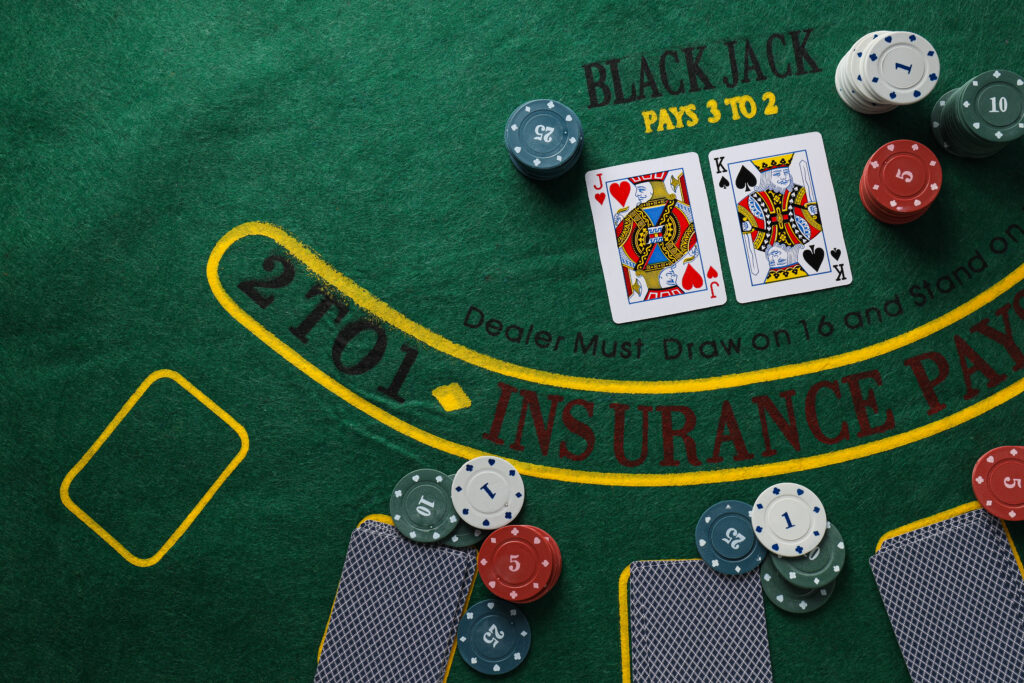
The 21+3 side bet is an optional wager in blackjack that uses your first two cards together with the dealer’s face-up card to form a separate three-card poker-style hand. It is settled independently of your main blackjack bet, meaning you can win, lose, or push on the main hand regardless of how the side bet resolves.
This wager is purely additional and not required to take part in the game. Stakes, paytables, and availability can vary by table and venue, so always check the specific rules before placing the bet.
Suited Trips is one of the strongest possible outcomes on the 21+3 paytable. You achieve Suited Trips when all three cards—the two you are dealt and the dealer’s up card—are exactly the same rank and the same suit. For instance, three Kings of Hearts would qualify.
Because all three cards must match perfectly, Suited Trips is a rare result. Its rarity is why it typically appears among the higher-paying results on the 21+3 paytable, although actual payouts are determined by the house rules for that table.
The side bet is resolved once the initial three cards are known, usually before the rest of the blackjack hand plays out. No decision you make afterwards (such as hitting or standing) affects the 21+3 outcome.
As with most side bets, 21+3 generally carries a higher house edge than the main blackjack game. Outcomes are based solely on the cards dealt from a shuffled shoe, and no strategy can influence whether Suited Trips appears. Only gamble if you are 18+ and it is legal to do so, set limits, and never stake more than you can afford to lose.
How Does 21+3 Work During A Blackjack Round?
Before the cards are dealt, you have the option to place a separate chip on the 21+3 betting spot alongside your main wager. This is an entirely optional side bet, and you can choose to place it or skip it on any hand. Table minimums and maximums set by the game apply.
After you receive your first two cards and the dealer reveals their face-up card, those three cards are evaluated to see if they form a qualifying three-card poker hand. Common qualifying hands include a flush, a straight, three of a kind, a straight flush, and Suited Trips (three identical cards in rank and suit).
The exact list of qualifying hands, their ranking, and the payouts can vary by table or provider, so always check the displayed paytable before placing the side bet. Only your first two cards and the dealer’s initial upcard are used for the 21+3 result; subsequent hits or stands do not affect it.
If your three cards make a qualifying hand, the 21+3 side bet pays according to the paytable; if not, the side bet loses. The side bet is settled independently of your main blackjack hand, so it is possible to win one and lose the other on the same round.
Outcomes are determined by chance, and no strategy guarantees a return. Side bets typically have higher volatility and may carry a higher house edge than the main game, so only stake amounts you can afford. With that in mind, a few quick examples make it clearer.
Example Hands And Payout Scenarios
Let’s look at some illustrations of typical 21+3 outcomes. Exact rules, paytables, table limits, and availability can vary by venue and game variant, so always check the on‑table paytable before placing a side bet.
- Suited Trips: You receive two 5 of Spades and the dealer shows a 5 of Spades. All three cards match in rank and suit. This is one of the rarest outcomes and on some tables can pay up to around 100 to 1.
- Straight Flush: Your three cards are in sequence and the same suit, for example 7, 8, and 9 of hearts. Many tables list this near 35–40 to 1.
- Three of a Kind: All three cards share the same rank but not the same suit, such as three 4s. This is often posted around 25–30 to 1.
- Straight: The cards are in numerical order but mixed suits, like 2 of hearts, 3 of clubs, and 4 of spades. Frequently shown at about 10 to 1.
- Flush: All three cards share a suit but are not in sequence, such as 2, 6, and 10 of diamonds. Typically listed near 5 to 1.
If you do not hit any of these combinations, the 21+3 wager loses. The main blackjack hand then continues as normal and is settled separately from the side bet.
Figures above are examples only. Payouts, maximum returns, and the return to player (RTP) depend on the specific table and may be subject to limits. Side bets generally carry a higher house edge than the main game; only stake what you can afford to lose and consider safer gambling tools if needed.
Card Combinations That Qualify As Suited Trips
Suited Trips requires that your two cards and the dealer’s face-up card are exactly the same in both rank and suit. The order does not matter and neither does who holds which card, but every card in the trio must match precisely. For example, three 7 of Hearts, three Kings of Clubs, or three 3 of Diamonds would all qualify. If even one card is a different rank or a different suit, the combination does not count.
A key point that often catches players out is how the cards are generated. Suited Trips needs multiple copies of the same specific card to be present in the shoe. This makes it impossible in a single-deck game, where there is only one of each unique card, so the outcome cannot occur. In multi-deck blackjack, where several decks are combined, there can be duplicates of the same card, which makes the hand theoretically possible, though still exceptionally rare.
The number of decks in the shoe and the table’s rules can influence the likelihood and the payout structure. Not all tables offer this wager, and where it is available, qualifying conditions and returns may vary by casino or game provider. Always check the table rules before placing a bet so you understand exactly what counts and how it pays.
All outcomes are random, and no strategy or staking method can guarantee Suited Trips or improve its probability. This wager carries a house edge and should be considered a high-variance, low-frequency result. Only stake what you can afford to lose and set limits to help you play responsibly.
What Are Typical Payouts For 21+3 Side Bets?
The 21+3 side bet pays out based on a three‑card poker hand formed from your first two cards and the dealer’s upcard. Potential returns can be attractive for rarer outcomes, but results are random and never guaranteed.
Many tables follow a familiar pay ladder for winning combinations:
- Suited Trips: 100 to 1
- Straight Flush: 40 to 1
- Three of a Kind: 30 to 1
- Straight: 10 to 1
- Flush: 5 to 1
Exact payouts can vary by table and software provider. Some games adjust these figures (for example, Suited Trips at 90 to 1 or a Straight at 9 to 1). Always review the on‑table paytable and rules before placing a wager.
Odds are shown as “to 1” and typically mean you receive the stated multiple in winnings plus your original stake, although house rules can differ. Check whether the game lists odds “to 1” or “for 1” so you understand what is returned on a win.
Side bets usually carry a higher house edge and greater volatility than the main blackjack game. They are optional and intended for entertainment. Set limits, stake only what you can afford to lose, and remember that past outcomes do not influence future results.
Availability, minimums and maximums for the 21+3 side bet may also differ by table. Some venues require a main wager to place the side bet, so confirm the specific conditions where you play.
What Are The Odds Of Hitting Suited Trips?
In 21+3, Suited Trips means your two player cards and the dealer’s upcard are all the same rank and the same suit. It is one of the rarest outcomes available on this side bet.
The exact likelihood depends on how many decks are in the shoe. In six to eight deck games, the chance is roughly 0.02% to 0.025% — about once in every 4,000 to 5,000 rounds on average. In a single‑deck game it is not possible, because you cannot draw multiple identical cards (same rank and suit) from one deck.
These figures are long‑run averages only. Each round is independent, results are random, and long dry spells or occasional clusters can still occur. Past outcomes do not predict future results.
Given the very low probability, treat Suited Trips as an occasional, optional extra. Side bets typically have a higher house edge and greater volatility than the main game, and the return to player (RTP) and payouts depend on the table’s paytable and rules. No strategy can influence when Suited Trips appears, so only stake what you can afford to lose and play for entertainment.
How Does Suited Trips Affect House Edge And Expected Value?
The 21+3 side bet, including Suited Trips, carries a higher house edge than the main blackjack game. While the main game can approach about 0.5 percent with sound strategy, 21+3 typically sits in the region of 3 percent to 8 percent or more, depending on the paytable, shoe size, and specific rules in use. This equates to an approximate RTP of 92 percent to 97 percent, though exact figures vary by table.
Suited Trips is a rare, high-paying outcome that increases the top-heavy nature of the paytable. That structure raises volatility and contributes to the higher house edge compared with the core game.
Put simply, the expected value of placing 21+3 bets is lower than focusing on core blackjack decisions. These side bets are based on chance, and no betting system can remove the house advantage.
Many players therefore treat 21+3 as an occasional flourish rather than a central tactic. Always check the posted paytable and rules at your table, as returns differ by game, and remember that the house edge is a long-run measure—short-term results can vary widely.
Consider your bankroll, set limits, and only stake what you can afford to lose. Side bets are optional and should be used for entertainment, not as a way to guarantee or improve long-term returns.
When Should A Player Consider Betting Suited Trips?
Suited Trips adds a little extra anticipation to a hand, but it is not for everyone. Because it is so rare and the house edge is higher, it works best when used sparingly and for entertainment, not as a main strategy. Outcomes are random and no approach can guarantee a win.
It can suit players who enjoy a small side wager with the potential for a standout return, and who are happy with the reality that it will miss most of the time. If you prefer to keep variance down and stay as close as possible to the main game’s probabilities, it is sensible to skip it. Side bets are always optional and do not improve your long‑term expected results.
Before placing the wager, check the paytable, table limits, and the RTP or house edge where displayed, so you understand the risk–reward trade‑off. Only stake amounts you can afford to lose and remember that higher volatility can mean longer losing stretches.
Whatever your style, set a clear budget for side bets and stick to it. Consider using time and spend limits, take breaks, and stop if it is no longer enjoyable.
Never chase losses, and do not view Suited Trips as a way to recover previous results. Play for fun, keep control, and prioritise the main game if you want steadier outcomes.
How Does 21+3 Compare With Other Blackjack Side Bets?
The 21+3 side bet stands out for its poker twist, using both your cards and the dealer’s up card to form a hand. It pays on outcomes such as flushes, straights, and three of a kind, depending on the paytable. This sets it apart from options that look only at your initial two cards or the dealer’s position, and it can feel more volatile because wins tend to be less frequent but larger when they land.
Popular alternatives include Perfect Pairs, which pays when your first two cards form a pair, and Insurance, which covers against the dealer having blackjack when an Ace is showing. Perfect Pairs is simpler and can trigger a little more often, though its top payouts are usually lower than the best 21+3 hands. Insurance is a defensive bet that, in typical play, carries a negative expected return and can be costly over time unless you have reliable information about card composition.
Other side bets you may see include options like Lucky Ladies or Royal Match, which focus on specific two‑card combinations and do not use the dealer’s up card. These can deliver eye‑catching headline payouts, but like most side bets they generally have a higher house edge than the main blackjack game. Always treat them as optional enhancements rather than a core strategy.
If you like mixing blackjack with a three‑card poker element, 21+3 is the natural fit. However, paytables, deck numbers, and rules vary by table and game provider, which affects frequency of wins, payout sizes, and overall return to player (RTP). Check the displayed paytable and RTP before you stake, and remember that outcomes are random and past results do not predict future results.
Side bets do not change the optimal way to play your main hand and can increase volatility. Set limits, stake only what you can afford to lose, and avoid chasing losses. Participation is for players aged 18+ only, and if you are unsure, consider skipping side bets or trying lower stakes until you understand how they work.
Common Misconceptions About Suited Trips
There are a few myths about Suited Trips in blackjack. One is that it appears fairly often. In reality it is exceptionally rare, which is why the payout is so high. Rarity does not mean it is due to hit, and previous results do not make a future win more likely.
Another is that special strategies or spotting patterns make it easier to land. Side bets such as 21+3 are determined by the random order of the cards and there is no reliable way to influence or foresee the result.
Shuffles, whether manual or by machine, are intended to ensure fairness and unpredictability. Each round is independent, so streaks or table “trends” should not be used as a guide.
It is also sometimes assumed that any three cards of the same value are enough. For Suited Trips, they must be the same value and the same suit, and the exact criteria and payout depend on the table rules and paytable in use.
Understanding what Suited Trips pays for, accepting the long odds, and treating it as an optional extra is the surest way to enjoy this side bet alongside your regular blackjack play.
Remember that the house has an advantage on side bets and outcomes are based on chance. Only bet what you can afford to lose, avoid chasing losses, and consider setting limits to keep play enjoyable and within your budget.
**The information provided in this blog is intended for educational purposes and should not be construed as betting advice or a guarantee of success. Always gamble responsibly.