

Perfect Pairs Blackjack: Explained Rules & Payouts in Detail
If you enjoy blackjack and want an extra layer at the start of each hand, Perfect Pairs is a side bet worth knowing about. It adds a separate wager that pays when your opening two cards make a pair.
So what is Perfect Pairs, how does it fit alongside the main game, and what returns are on offer? This guide walks through the rules, the pair types, typical payout tables and how your stake translates into winnings.
By the end, you’ll know exactly what to expect from this side bet and how to approach it with clear limits in mind.
What Is Perfect Pairs Blackjack?
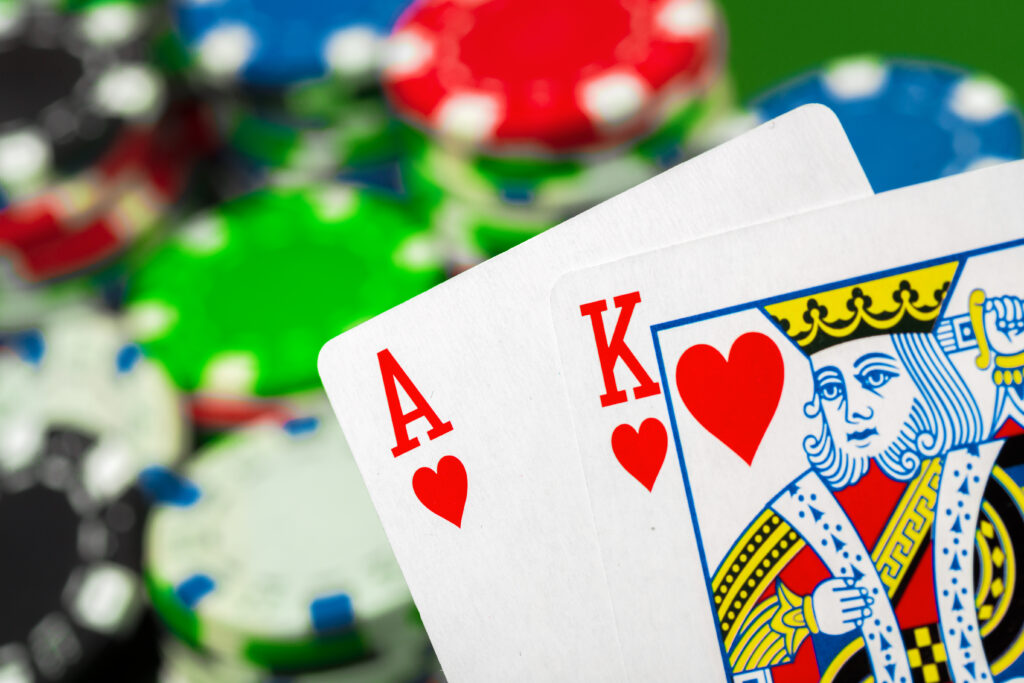
Perfect Pairs Blackjack is standard blackjack with an optional side bet on whether your first two cards form a pair. The core rules of the main game remain the same, and your regular hand is played as usual. The side bet is resolved immediately based on the type of pair you receive, if any.
You must place the Perfect Pairs wager before the initial deal. If those two cards match in the way required by the table rules, a payout is made according to the pair category. In many games, pair types are distinguished (for example by suit, colour, or simply rank), but the exact definitions and returns can vary by variant.
Because the side bet is separate from your main hand, the results are independent. You can win one and lose the other, or vice versa, and the side bet outcome does not affect how you must play your regular hand or how the dealer completes the round.
Check the paytable at your chosen table for the specific pair definitions, payout rates, and stake limits. The side bet applies only to your first two cards and is settled straight away; once placed, it cannot be altered. Rules on splits and whether they interact with the side bet may differ by game.
All outcomes are determined by chance, and no strategy can influence the side bet once the cards are dealt. Side bets typically have a higher house edge and greater volatility than the main game, so consider your stake carefully and only gamble what you can afford to lose.
If you prefer to focus on the main hand, the Perfect Pairs wager is entirely optional and can be ignored without affecting standard blackjack play.
How Does The Perfect Pairs Side Bet Work?
This side bet sits next to your main blackjack wager and must be placed before any cards are dealt. It is entirely optional and independent of your main hand. You are predicting that your opening two cards will form a pair.
The bet is usually settled immediately on your first two cards only. In most versions, the dealer’s cards do not affect this outcome. Once the pair outcome is resolved, the bet wins or loses, and play then continues with your main hand as normal.
The exact payout depends on which of the three pair categories you hit. These categories, set out just below, are what determine the return. Precise payouts and rules can vary by table and provider, so always check the paytable and table limits before staking.
Side bets can carry a higher house edge and greater volatility than the main game. Stake sensibly, keep to your limits, and only gamble if you can afford to lose.
How Are Pairs Classified?
In Perfect Pairs Blackjack, not all pairs are created equal. The side bet pays out differently depending on the type of pair you’re dealt, and the exact returns can vary by table and operator.
Remember that this is an optional wager. Outcomes are determined by chance, and no strategy can guarantee a result. Always check the game rules and paytable before you place a bet.
Perfect Pair
A Perfect Pair is when your first two cards are completely identical, matching in both value and suit. For example, two Ace of Hearts cards from a multi‑deck shoe. This is the highest‑paying result in most versions.
Perfect Pairs are comparatively rare, as they require a precise match of rank and suit. Availability and payout for this result depend on the number of decks in use and the table’s published paytable.
Coloured Pair
A Coloured Pair is when your two cards match in value and colour, but not suit. For example, an eight of Spades and an eight of Clubs are both black eights. The payout is lower than a Perfect Pair.
Hearts and Diamonds are red; Spades and Clubs are black. A Coloured Pair typically pays more than a Mixed Pair but less than a Perfect Pair, subject to the house rules you are playing under.
Mixed Pair
A Mixed Pair is the most common type. You’ll have two cards with the same value, but different suits and colours. For example, a ten of Diamonds and a ten of Spades. This pair pays the least on the side bet.
While Mixed Pairs occur more frequently, their return is usually the smallest of the three categories. They do not influence the outcome of your main blackjack hand.
With the categories clear, the next question is what each one typically returns. Paytables differ between venues and may change, so always review the current table limits, payout schedule, and any maximum win caps before betting. Side bets often carry a different house edge to the main game, so stake sensibly and only wager what you can afford to lose.
What Are Typical Payouts For Perfect Pairs?
The payout for Perfect Pairs depends on how closely your first two cards match. The more exact the match, the higher the return offered on that specific outcome.
- Perfect Pair often pays 25 to 1, as it requires two identical cards in both rank and suit
- Coloured Pair is commonly 12 to 1, where the rank and colour match but the suits differ
- Mixed Pair is usually 6 to 1, covering any pair of the same rank in different colours
These figures are widely used, though some tables adjust them. Payouts can vary by venue, operator, and number of decks in use, so the exact returns may differ from the examples above.
Always check the displayed payout box and the game rules at the table you are playing before placing a side bet. You should also review any stated RTP or house edge for the side bet, as these can differ from the main game.
Higher returns go to outcomes that occur less often, which is why Perfect Pairs sits at the top. Side bets generally carry a higher house edge and are entirely chance-based, so they are not a strategy to improve your overall blackjack results.
Only stake what you can afford to lose, consider setting limits, and remember that side bets are optional. If you are unsure, sit out the bet until you have confirmed the rules and payouts for that specific table.
How Are Payouts Calculated From Your Stake?
Your winnings are calculated by multiplying your side‑bet stake by the stated odds, and your original stake is then returned on top, unless the paytable specifies otherwise. This means the total return equals winnings plus your initial stake.
Odds shown as “x to 1” indicate you win £x for every £1 staked. For clarity, “winnings” exclude your stake, while “total return” includes it.
Example: a £2 stake on a Perfect Pair at 25 to 1 pays £50 in winnings, and your £2 stake is returned for a £52 total return.
For a Coloured Pair at 12 to 1, a £2 stake pays £24 in winnings, with £26 returned in total.
For a Mixed Pair at 6 to 1, a £2 stake pays £12 in winnings, with £14 returned in total.
If your first two cards do not form a pair, the side bet loses. The main hand then continues and is settled separately, unaffected by the side‑bet outcome.
All settlements follow the game rules and posted paytable. Payout limits and rounding policies may apply, and odds can vary by table or variant. Always check the specific rules before placing a bet and only stake what you can afford to lose.
How Do Decks And Rules Change The Odds?
The number of decks in the shoe and the table’s rules make a real difference to this bet. With multiple decks, there are more copies of each specific card, so any pair becomes more likely than in a single‑deck game. Perfect Pairs in particular requires duplicate cards of the same rank and suit, which only exist when more than one deck is used, so that specific outcome cannot occur with a single deck.
That said, a higher chance of certain pairs does not automatically make the wager “better”. Operators often balance the maths by adjusting the paytable when more decks are in play, so the house edge can remain similar across variants. Always check the published paytable and RTP on the table display and make sure you understand the potential returns before placing a stake.
Side‑bet outcomes are determined by the first two cards only, so common base‑game rules such as whether the dealer hits soft 17 usually do not change the probability of a pair appearing. However, casinos may use different side‑bet structures or classifications (for example, mixed/coloured/perfect), and these definitions directly affect the odds and payouts. A quick glance at the table information before you begin helps you know exactly what you are playing.
Shuffling methods and the use of continuous shuffling machines typically do not alter long‑run probabilities, but they can increase the number of hands you play per hour. Outcomes are random and no strategy removes the house edge; set limits, only wager what you can afford to lose, and stop if the fun stops.
House Edge And Expected Return For The Side Bet
The Perfect Pairs side bet usually carries a higher house edge than the main blackjack game. Depending on the number of decks and the payout table, it often sits somewhere around 6% to 11%, while the main game can be below 1% when played with sound decisions. Actual figures vary by rules and paytable, so always check the specific table information before staking.
Expected return (sometimes shown as RTP) reflects the average amount paid back per pound wagered over a very long period. It is a theoretical measure based on the game rules and does not predict what will happen in any single session. Results are random and each round is independent.
The occasional high payout is offset by many rounds where no pair appears, which is why the house edge is larger than on the main hand. This also means higher volatility: bankrolls may swing more sharply, and long losing stretches are possible even with correct play.
Side bets are best seen as an optional extra for entertainment rather than a way to make consistent profit. They increase the cost of play and the overall house advantage on your wagers.
Set clear limits, stake only what you can afford to lose, and avoid chasing results. Take breaks, use time and spend controls where available, and stop if the fun stops.
When Can You Place The Perfect Pairs Bet?
The Perfect Pairs bet is available only at the very start of a round, before any cards are dealt. You must place it alongside your main wager during the initial betting phase. Once the first card is dealt, the window for the side bet closes for that hand and you cannot add, change, or cancel it.
If you choose not to place the side bet, your main blackjack bet proceeds as normal with no impact on the hand. Availability of Perfect Pairs can vary by table, game variant, or operator, and some tables may temporarily suspend side bets at the dealer’s discretion.
Side bets are optional and typically have a higher house edge and greater volatility than the main game. No outcome is guaranteed, and returns can be lower than your total stakes. Only place this bet if you understand the rules and odds, are 18+ (where applicable), and can afford the risk. Please gamble responsibly.
How Does A Winning Pair Affect The Main Blackjack Hand?
A winning pair is settled early in the round according to the paytable, but it does not change anything about your main hand. Your two cards still form your blackjack starting hand and you continue as normal, choosing whether to stand, take another card, split or double based on the dealer’s upcard and your total.
Table procedures can vary slightly. Some games settle the side bet immediately after your initial two cards are dealt, while others confirm outcomes once any dealer peek for blackjack has taken place. Either way, the result of the side bet does not alter your totals or restrict the actions available on your main hand.
You can win or lose the side bet independently of the main outcome, so treat it as a separate, single‑event wager alongside the round. The side bet does not improve the odds of your main hand, and it should not influence optimal strategy for the primary game.
Side bets are optional and typically carry a different house edge and volatility to the main hand. Always check the specific rules and paytable for your table before staking. Set limits, only wager what you can afford to lose, and play responsibly.
Common Rule Variants And Payout Tables
While Perfect Pairs is straightforward, small differences appear from table to table. Deck count is the most common variation, with many online tables using six or eight decks.
This can influence how often pairs occur, which in turn affects the house edge and any published Return to Player (RTP). Always check the table rules and paytable before placing a side bet so you understand how the specific variant is structured.
The most common payouts are:
- Perfect Pair: 25 to 1
- Coloured Pair: 12 to 1
- Mixed Pair: 6 to 1
Some tables push Perfect Pair higher, such as 30 to 1, and trim the others a little. Clear, published payout information helps you track what each outcome returns, and operators may also display the RTP for the side bet where available.
Remember that payouts can vary by table and provider, and outcomes are random. Side bets are higher volatility and typically carry a higher house edge than the main game. Only stake what you can afford to lose, and set limits to keep play enjoyable.
Examples: Step-By-Step Hand Scenarios
Let’s look at a few clear examples to show how the side bet is settled alongside the main hand. Payouts and availability can vary by table and provider, so always check the paytable and rules before you play.
Example 1: Landing a Perfect Pair
You place a £5 main bet and a £2 Perfect Pairs bet. Your first two cards are both King of Hearts. That is a Perfect Pair.
At 25 to 1 you receive £50 winnings plus your £2 stake back, for a £52 total return. The side bet is settled immediately and independently of the main hand.
Your blackjack hand then continues with those two Kings as normal, and the outcome of the main hand does not change the side-bet result.
Example 2: Scoring a Coloured Pair
With the same stakes, you receive a seven of Spades and a seven of Clubs. That is a Coloured Pair.
At 12 to 1, the £2 side bet pays £24 winnings (£26 total including the returned £2 stake). You still play the blackjack hand in the usual way, and it will be settled on its own merits.
Example 3: Hitting a Mixed Pair
You bet £2 on Perfect Pairs and receive a Jack of Hearts and a Jack of Clubs. That is a Mixed Pair.
At 6 to 1, the side bet pays £12 winnings (£14 total including stake). The main hand then proceeds as standard and is not linked to the side-bet payout.
Example 4: No Pair
You place the bets and receive a Queen of Diamonds and a King of Hearts. There is no pair, so the side bet loses and the £2 stake is not returned.
The main hand carries on as usual and can still win, lose, or push regardless of the side-bet outcome.
Perfect Pairs is an optional, fast, self‑contained wager resolved on your first two cards only. Check the paytable, be aware that house edges and payouts can differ, and keep stakes within limits you are comfortable with.
There is no guarantee of a return, so consider setting time and spend limits and only gamble with money you can afford to lose.
**The information provided in this blog is intended for educational purposes and should not be construed as betting advice or a guarantee of success. Always gamble responsibly.