

Monkey Meaning in Blackjack: Monkey Betting Slang Explained
Have you ever heard someone shout “Monkey!” at the blackjack table and wondered what on earth they meant? You’re not alone. Blackjack comes with its own unique lingo, and “monkey” is one of the most curious phrases you’ll hear.
Whether you’re a complete beginner or a seasoned player, learning the slang helps you follow the action and makes the game feel more social.
If you want to become fluent in blackjack-speak, you’re in the right place. Read on to uncover the real meaning behind this cheeky term and see how it fits into real table talk.
What Does Monkey Mean in Blackjack?
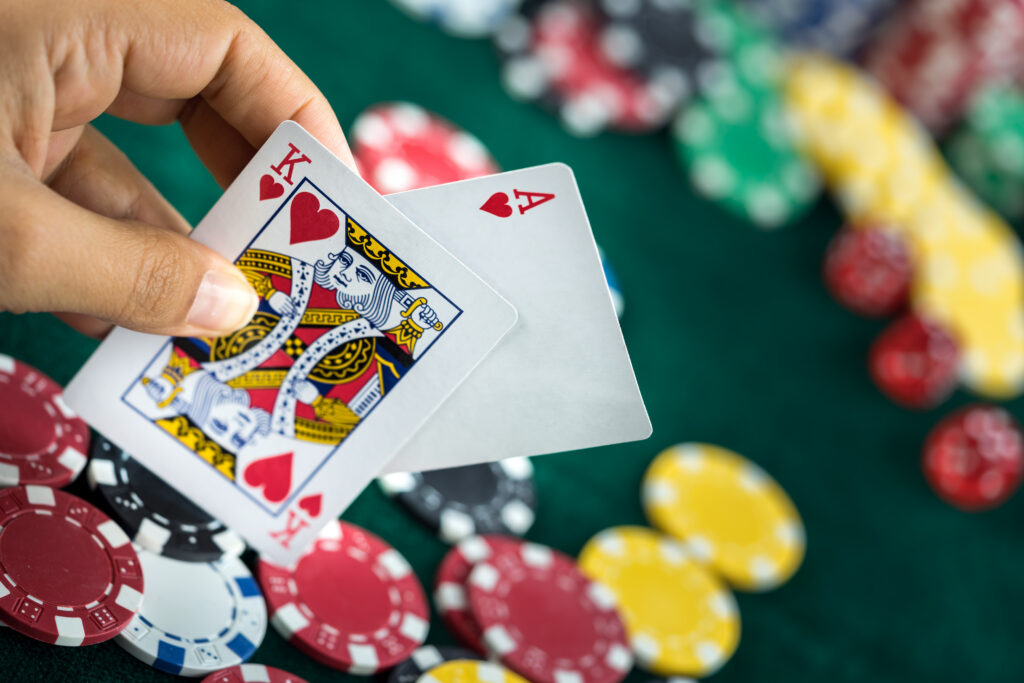
In blackjack, the word “monkey” is a piece of casino slang you’ll often hear around the table. When players say “monkey”, they are hoping the next card dealt will be worth 10 points — that is, a 10, Jack, Queen or King.
All of these cards count as 10 in blackjack, which can strengthen a hand in many situations, such as turning an 11 into 21 or increasing the dealer’s chance of going bust. It is simply a hopeful shout and has no effect on the outcome, which is always random.
The term comes from old-school gambling circles and has become a light-hearted way for players to root for a big card. If someone calls “Monkey!” as the dealer turns a card, they are just wishing for a 10-value card to appear, not signalling any special strategy or guarantee of success.
In wider British slang, “monkey” can also mean £500, but at the blackjack table it almost always refers to a 10-point card. Usage can vary by region and venue, so follow local etiquette and any house rules.
Blackjack should be played responsibly. Outcomes are never certain, and you should only play if you are over the legal age and comfortable with the risks.
How Much Is a Monkey in Blackjack?
In blackjack, when someone says “monkey”, they are not talking about money or any specific cash amount. It is simply table slang for any card valued at 10 points. That includes the 10, Jack, Queen, and King.
If you hear “monkey” at the table, it usually means a player is hoping the next card drawn is a ten-value card. It is just a figure of speech and does not guarantee an outcome.
The term is slang only. It does not change the rules, the odds, or the correct basic strategy. Whether a ten appears is down to chance, and no phrase or superstition can influence the deal.
Dealers and players may use different expressions depending on the casino or region. Some tables will use this slang casually, while others may not use it at all.
Separately, in wider betting slang—particularly in the UK—a “monkey” can mean £500. That usage is unrelated to blackjack hand values, so be clear which meaning is intended when you hear it.
Always play responsibly. Set limits, never chase losses, and remember that blackjack outcomes are random. If the slang is unclear, it is fine to ask the dealer for clarification before you act.
How Did the Term Monkey Originate in Betting?
The origins of “monkey” in betting are not crystal clear, but many believe it travelled from gambling circles in Asia, especially in games played in Hong Kong and Macau. Early English-speaking visitors and croupiers are said to have picked up local table talk and brought it back, where it became a colourful part of casino slang, even if it was never formally recognised.
There is a common theory that in some Asian languages the word for monkey sounds similar to the word for face, which could explain why face cards picked up this nickname. Over time, visiting players carried the phrase into British and international casinos, and it settled into blackjack slang. In some rooms it may also be used more broadly for any ten-value card (10, J, Q, K), though usage varies by region and table culture.
Another explanation sometimes mentioned is the separate British slang use of “monkey” to mean £500, a term with uncertain roots that some link to colonial-era currency. While memorable, this money slang’s connection to card play is disputed, and there is no firm evidence that it directly produced the casino expression.
However you trace it, the term developed informally and can differ between venues. Not every dealer or player will use or recognise it, so polite, clear communication is always recommended at the tables.
Now that you know where it came from, how is it used around a real table? Typically, it is a casual call for a ten-value or picture card in games such as blackjack or baccarat, but it has no bearing on outcomes and should never be taken as advice or a strategy.
If you choose to play, keep it social and fun, set limits, and only gamble what you can afford to lose. Terminology and house rules differ, so check local guidance and follow staff instructions.
How Do Dealers and Players Use Monkey at the Table?
At the blackjack table, “monkey” is a bit of light‑hearted table talk used by both players and dealers. When a player wants a 10‑point card to be dealt—perhaps they have an ace and are hoping for 21—they might call out “monkey!” just before the card is revealed. It is simply slang and has no impact on the outcome.
Dealers sometimes join in the excitement, especially if the mood at the table is friendly. They may echo the shout or smile when a player asks for a “monkey”, while still following house rules and remaining impartial. Any interaction is intended to keep the game sociable rather than influence results.
It is also common to hear “monkey” when players are hoping the dealer will draw a 10 and bust. In busy games, little phrases like this can keep the energy up and add to the rhythm of the action, but participation is always optional—quiet tables are perfectly acceptable too.
Keep in mind that expressions like “monkey” are a form of table etiquette and not a strategy. They do not change the odds, which remain the same regardless of what is said. Be considerate of other players, avoid pressuring anyone to join in, and follow any house guidance on table talk to prevent distraction.
If you are unsure, you can always stay silent, take your time, and make decisions that suit your own limits. Dealers cannot offer advice on how to play a hand, and nothing said at the table should be taken as a recommendation.
Away from the cards, the same word may turn up when people talk about chips and stakes, usually as casual slang. As with gameplay, set personal limits, only stake what you can afford to lose, and take breaks if the game stops being enjoyable.
How to Recognise a Monkey When Reading Chips and Bets
It is worth noting that in some betting circles, especially in the UK, the term “monkey” can also pop up when people are talking about cash or chips, not just cards. You may hear it in casinos, poker rooms, or even casual betting chat, and it is generally used as shorthand rather than an official denomination.
When it comes to chips and bets, a “monkey” is a classic bit of Cockney slang meaning £500. So, if you overhear someone saying they have put down a “monkey,” they are talking about a £500 wager, not a particular chip colour or a specific game action.
Remember that chip colours and values can vary by venue and table, and slang terms are not universally recognised. If there is any doubt, ask the dealer or a member of staff to confirm the value before placing a bet, and never rely solely on slang to interpret stakes.
Gambling involves risk, and you should only stake what you can afford to lose. Keep control of your play, set sensible limits, and avoid chasing losses. If gambling stops being fun or you feel it is causing harm, consider taking a break or seeking support.
Participation in gambling is restricted to those who are legally permitted (18+ in Great Britain). This information is provided for clarity on terminology and should not be taken as financial advice or an encouragement to gamble.
Chip Colours and Denominations Commonly Called Monkey
In UK casinos, a £500 chip is often coloured purple or sometimes a dark brown shade, though exact colours can vary between casinos. In some rooms, commemorative or house-specific designs may also appear in this band. If you see a player betting with these higher-value chips, there is a fair chance someone might call it a “monkey.”
Not everyone uses the slang, and colours are not universal. Never rely on colour alone to determine value—always check the printed denomination on the chip face. Table signage and the chip rack in front of the dealer show the current denominations, and the dealer can confirm values if asked.
Clarifying chip values helps keep conversations about stakes clear and avoids crossed wires. If you are unsure, ask the dealer before you act, or request a colour-up so your stack is standardised and easy to read for everyone at the table.
With two meanings in circulation—£500 in general UK money slang and a £500 casino chip—it is easy to see how a few myths can creep in. Usage can be regional and informal, so take it as table talk rather than a rule.
This information is provided for clarity only. It does not indicate any advantage or strategy. Always gamble responsibly, set limits, and only play with money you can afford to lose. If play stops being enjoyable, take a break and seek support.
Common Misunderstandings About Monkey in Blackjack
It is easy to get mixed up when you first hear the word “monkey” at the blackjack table. A regular misunderstanding is thinking it refers to a cash value. In some betting slang, “monkey” does mean £500, but at the blackjack table it usually means a 10-value card.
Importantly, the slang is not universal. Some players may never use it, others may use different terms, and casino staff will typically stick to plain language. Do not assume it has a formal place in the rules or payouts.
Another mix-up is believing only face cards count. In blackjack, the 10 card is included because it carries the same 10-point value as the Jack, Queen and King.
That does not make it a strategy or a special move. Saying “monkey” does not change probabilities, alter the shoe, or improve your chances. It is simply a nickname for a group of cards worth ten points.
Some players also think that calling “monkey” can influence what comes next. It is just banter. The outcome is determined by the dealing procedure, the cards already in play and the shuffle, not by what anyone says.
Online blackjack is no different in this respect. Outcomes are produced by a random number generator or a live dealer following house procedures, so superstitions, signals or table talk do not affect the result.
Given those quirks, you might wonder where in the world you are most likely to hear it. Usage varies by region and table culture, and some venues discourage shouting at the table, so be mindful of etiquette and always follow the house rules.
Remember, blackjack should be played for entertainment only. Set limits, never chase losses, and only stake what you can afford to lose. If the fun stops, stop.
Is Monkey Used Outside the UK?
Yes, the term “monkey” does pop up in other parts of the world, but it is most commonly heard in the UK, especially among British players and dealers. It tends to appear in casual table talk rather than in any official capacity, and it should be understood as light-hearted slang rather than a formal part of the game.
In some Asian casinos, you might also hear players using “monkey” when hoping for a 10-point card, as the slang has travelled through the international gambling scene. Usage can vary from venue to venue, and not every table will recognise or use the term. As with any slang, local customs and etiquette should be respected.
However, if you visit American casinos, you are much less likely to hear “monkey” at the blackjack table. Instead, players often just call out for a “ten” or “face card.” Some tables prefer quieter play, and staff may encourage clear, standard terms to avoid confusion.
So, while “monkey” is recognised in a few different countries, it remains a British favourite when it comes to blackjack slang. Remember, language at the table does not influence results, and keeping communication clear and respectful helps ensure fair and enjoyable play for everyone.
When Should You Clarify Monkey at the Table?
If you are new to blackjack or playing with people from different backgrounds, it is smart to check what someone means when they say “monkey.” In some places it refers to a 10-value card (such as a ten, jack, queen, or king), while in other contexts it can mean a cash amount (commonly £500). Because the same word can point to cards or money, a quick check avoids crossed wires.
Clarity is part of good etiquette and helps prevent disputes. It does not influence the outcome of the game or your chances of winning; it simply makes sure everyone understands one another. Taking a moment to confirm terms is always acceptable and keeps the game fair and transparent.
If you are ever unsure, especially if money or chips are involved, politely ask for clarification before you act. Dealers and regular players are used to lingo questions and will be happy to explain. You can be specific, for example: “Do you mean a 10-value card, or £500?” This reduces the risk of mistakes with bets or payouts.
It is also helpful to clarify if you notice someone misusing the term. Clearing things up early keeps the game running smoothly, prevents delays at payout, and makes sure everyone is on the same page. If there is any disagreement, follow the dealer’s guidance and the house rules posted for that table.
Get comfortable with the slang and you will find table talk easier to follow, the action simpler to read, and the whole experience more enjoyable. Remember, slang is just shorthand and not a strategy or a guarantee of success.
Always play responsibly: set a budget, take breaks, and only gamble what you can afford to lose. Gambling is entertainment for adults and should be undertaken in line with local laws and venue rules.
**The information provided in this blog is intended for educational purposes and should not be construed as betting advice or a guarantee of success. Always gamble responsibly.