

Monkey in Blackjack: Meaning of Monkey Betting Slang Explained
Ever been at a blackjack table and heard someone shout, “Monkey!” just as the dealer is about to reveal a card? You’re not alone if you’ve wondered what on earth that means.
Whether you’re a seasoned player or new to the game, understanding the lingo can make your experience much more enjoyable, and even help you feel more at ease at the tables.
Curious why so many players get excited about monkeys and what they’re hoping to see? Stay with us as we unravel the meaning behind this catchy bit of betting slang and explain exactly when and why it’s used, all in plain English.
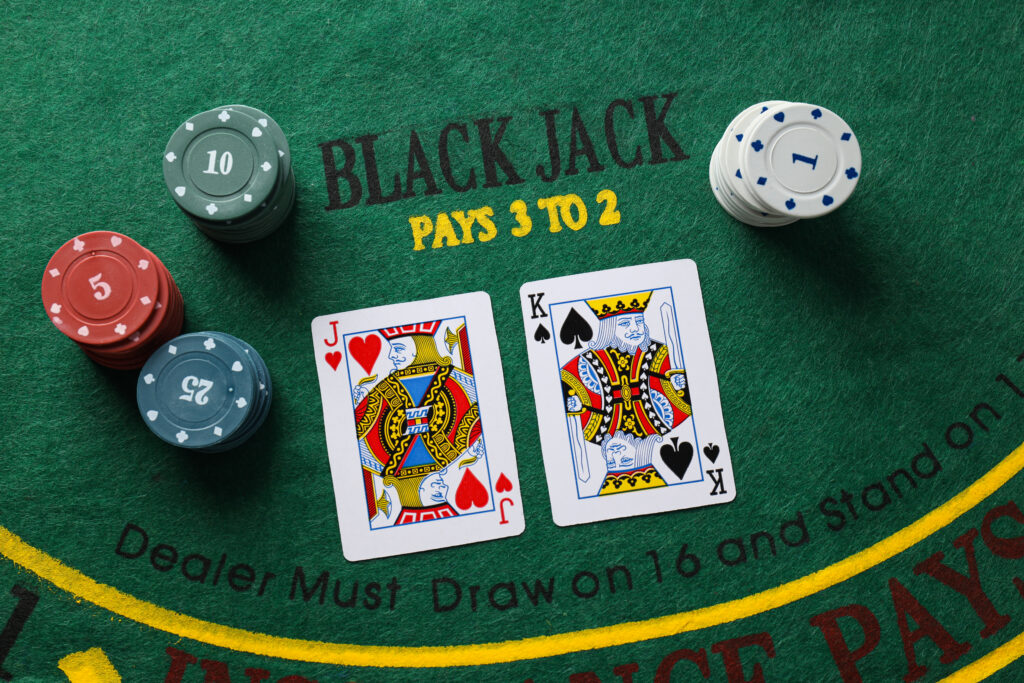
What Does Monkey Mean In Blackjack?
In blackjack, the word “monkey” is fun table slang you’ll often hear from players and spectators. When someone says “monkey,” they are hoping the next card drawn is a face card — specifically a Jack, Queen, or King — to influence the immediate outcome of a hand.
These face cards each carry a value of 10, which can help a total move closer to 21 or, in some situations, cause the dealer to go over 21. Many players also include the standard Ten in the “monkey” group because it has exactly the same value and the same impact on totals.
Why call them monkeys? A common explanation traces the slang to Asian gambling culture, where “monkey” is used as a nickname for face cards. As people travelled and casino games spread globally, the term circulated at tables and gradually stuck in everyday blackjack chatter.
It is worth noting that calling for a “monkey” is purely superstition and table banter. It does not change the odds, alter the shuffle, or affect which card is dealt. The outcome is always determined by chance and the rules of the game, not by what players say or hope for.
Always play responsibly. Set limits, avoid chasing losses, and remember that blackjack has a house edge. Slang like “monkey” adds colour to the experience, but it should never be taken as advice or a strategy for guaranteed success.
So when you hear someone call for a “monkey,” they simply want a 10-value card to appear. Where did that nickname start to catch on, and how did it become part of casino vocabulary around the world?
Where Did The Term Monkey Come From?
The term “monkey” in blackjack is widely linked to Asian gambling culture. In places such as Macau, face cards like Jacks, Queens, and Kings are casually nicknamed “monkeys”, and some players extend it to any ten-value card. The exact linguistic root is debated, with references to local slang and transliterations, so its origin is best viewed as informal rather than definitive.
As casino play became more global, the term travelled with players and dealers. English speakers picked it up at mixed tables, and it gradually became part of common blackjack chat. Its spread was helped by tourism, television coverage, and online forums, although usage still varies by region and table culture.
Today you will hear “monkey” in land-based venues and online rooms alike. It often pops up when a player wants a ten-value card after hitting, or when the dealer is about to draw. In live dealer streams you may see it in chat, while in physical casinos it tends to be quick, light-hearted table talk.
It is worth noting that “monkey” is simply colloquial language and has no effect on the odds, the cards, or the outcome of a hand. It should not be taken as advice or a prompt to play in a particular way; it is just part of the social side of the game.
Table etiquette still applies: keep it friendly, avoid distracting others, and be mindful of different preferences at the table. Understanding the term’s background helps explain why you might hear it, but using or ignoring it is entirely a matter of personal style.
How Is Monkey Used In Betting And Table Talk?
At the blackjack table, “monkey” is usually a quick shout just before a card is drawn. Players and even spectators might call out “Monkey!” when they want the next card to be a ten, Jack, Queen, or King. In short, it is table slang for any ten-value card and you will often hear it during tense draws in shoe games.
This bit of table talk adds some energy to key moments. For example, you might hear it when a player needs a ten-value card to make 21, or when someone is hoping the dealer’s next card will push the dealer over 21.
It is purely banter. Calling for a “monkey” does not influence which card appears, and outcomes are determined by chance and the rules of the game, not by superstitions or comments from the rail.
It is not a formal betting term. You will not see “monkey” in the rulebook or printed on the layout. It is simply casual chat that brings people together and keeps the mood light.
Do note that casinos and dealers may encourage courteous behaviour. If table talk becomes disruptive, staff may ask players to keep noise down in line with house rules and the comfort of other guests.
Hearing someone call for a “monkey” is just part of the atmosphere, not a signal to place a special stake or to change your staking plan. It should not be taken as advice, and you should only gamble if you are over the legal age, set limits, and never stake more than you can afford to lose.
Which raises a common question: does it ever refer to money?
Does Monkey Refer To A Specific Bet Amount?
In blackjack, “monkey” does not refer to a specific bet amount. When players use the term at the table, they are not changing their stake or indicating a sum of money.
It is easy to get mixed up, because some gambling slang, like “pony” or “ton,” refers to particular sums of money, and in wider British slang a “monkey” can mean £500. “Monkey” in blackjack is different. At the table it is all about wishing for a ten-value card (10, J, Q, or K) on the next draw, not the size of the wager.
You might hear someone say “monkey!” when they want a ten to complete a hand, for example when doubling down or hitting a 11 or 10. It is simply table talk and superstition, not a strategy or a signal to raise or lower a bet.
If any table talk is unclear, a quick, polite check with the dealer or another player is fine. They can confirm what is meant so everyone stays on the same page. House rules and etiquette can vary, and some tables prefer to keep chatter to a minimum, so follow the dealer’s guidance.
Always play within your means and never feel pressured to copy other players’ language or actions. If you choose to take part, set limits, take breaks, and keep play social and responsible.
Monkey Compared To Other Blackjack Slang
Blackjack has plenty of everyday terms, and “monkey” is just one of them. Slang can vary by region and from table to table, and understanding the language can make it easier to follow the flow of play without implying any advantage.
For example, “double down” means doubling the original bet and taking exactly one more card, subject to the table’s specific house rules. Some venues restrict when you can double, so it is sensible to check the limits before you act.
When a player asks to “split,” they are dividing a pair into two separate hands and placing an additional, equal bet on the second hand. Whether re-splitting or splitting aces is allowed will depend on the rules in use.
You will also hear “hit” for taking another card and “stand” for keeping your hand as it is. If a hand goes over 21, that is a “bust,” which loses immediately regardless of the dealer’s result.
Compared with these, “monkey” stands out because it is not an action or rule. It is a quick, informal cheer for a ten-value card—such as a 10, Jack, Queen, or King—often heard in tense moments.
Importantly, saying “monkey” does not influence the outcome. Cards are dealt at random and all results are governed by chance and the table’s rules, not by shouts or superstition.
Once you know the difference, the next piece is how the table treats these shouts. Some settings allow light conversation, while others prefer quieter play, so it is best to be respectful and follow any guidance from the dealer or venue.
Keep in mind that courtesy towards other players and staff is part of responsible gambling. If in doubt, keep language moderate and ask the dealer about any etiquette or rule clarifications before the next hand begins.
How Do Dealers And House Rules Treat Monkey Bets?
Dealers hear plenty of table slang, including players calling “monkey” when they want a ten-value card. It is generally taken as harmless banter, provided it stays respectful, does not delay the game, and does not put pressure on other players.
Importantly, calling for a “monkey” has no impact on the outcome of a hand. Results are determined by the cards dealt and the game’s rules, not by comments, signals, or superstitions. If remarks become disruptive, staff may remind players of table etiquette or ask for the behaviour to stop.
There is no official “monkey bet”. You will not see a side-bet box for it, and it will not appear in house rules or paytables. You cannot place a wager called a “monkey”; all stakes must be made using the recognised betting areas and only on options offered by the venue.
Casinos therefore treat “monkey” like any other light-hearted comment at the table. Payouts are made strictly according to the stated rules, and staff cannot accept off-the-book bets or verbal side arrangements, even if all parties appear to agree.
Good etiquette helps. Keep your volume reasonable, avoid repeated shouting, and never use abusive or discriminatory language. Follow the dealer’s guidance and any direction from floor staff; if you are asked to tone it down or stop, do so immediately. If you are unsure what is acceptable in a new venue, ask the dealer before the hand begins.
Gambling should be enjoyable. Superstitions and table talk do not improve your odds, so set sensible limits, take breaks, and never gamble if you are under 18. If play stops being fun, consider stepping away and seeking support.
Common Misconceptions About Monkey Betting
New players sometimes think “monkey” is a special wager or strategy. It is neither. It is simply a nickname players use when hoping for a ten-value card (10, J, Q, or K) to be drawn.
Saying it does not change the odds, the rules, or the return to player. It is table chatter, not a system, and it offers no advantage or influence over the outcome.
Others assume it refers to a set amount of money, similar to other slang. In general slang a “monkey” can mean £500, but in blackjack chat it does not. Your stake is always the chips you place, and all bets must be clear and within the table limits shown.
Some also worry it might be against the rules to say. In practice, polite cheering is widely accepted, provided it is brief and respectful. Always follow house rules and dealer instructions, and avoid behaviour that could distract, coach, or pressure other players.
If any comment becomes disruptive, staff may ask you to stop. Keeping conversation courteous helps maintain a fair and enjoyable game for everyone.
In short, “monkey” is casual table talk for a ten-value card, not a betting option or a way to improve your chances. Please gamble responsibly and only if you are over 18.
Examples Of Monkey Used In Table Conversation
Here are a few ways you might hear “monkey” used in casual blackjack chat. In this context, “monkey” is a light‑hearted slang term for a ten‑value card (10, J, Q or K), and it crops up when players are hoping for a strong total.
It’s informal table talk rather than a strategy, and not every player or venue uses the term. Always keep comments friendly and respectful of others at the table.
- A player with a hand of 11 says, “Come on, monkey!” as the dealer deals their next card, hoping to land a ten‑value to make 21.
- When the dealer has a risky hand, someone murmurs, “Monkey, monkey, monkey,” hoping the dealer will go over 21, while keeping their voice low to avoid disrupting play.
- After getting a low card, a player might joke, “That’s no monkey,” and share a quick smile with the table to keep things light.
- On a double down, a player quietly adds, “One monkey will do,” acknowledging the risk while rooting for a single high card.
- A player who receives a face card might say, “There’s the monkey,” before neatly stacking their chips and letting the dealer continue the round.
These little outbursts add to the social side of the game and can keep the table lively, provided they remain courteous and do not slow play.
Remember, comments and superstitions do not influence the outcome—cards are dealt at random. Please play responsibly, set limits that suit your circumstances, and take breaks as needed. Gambling is for adults aged 18+ only.
What Should Players Do If Someone Makes A Monkey Bet At The Table?
If someone calls out “monkey” at the blackjack table, there is nothing to worry about. It is simply a bit of table slang for a ten-value card, and it does not change the rules, the odds, or how the hand is dealt. You do not need to react or alter your own decisions because of it.
You can smile and carry on, join the light-hearted chatter if you feel comfortable, or just focus on your hand. Your choices should be your own, and superstition or table talk does not affect the outcome of the game, which is determined by the random order of the cards.
If any conversation or behaviour makes you uncomfortable, let the dealer know straight away. Casino staff are there to keep the game fair, uphold house rules, and maintain a welcoming environment. You can also ask for the pit boss, or take a short break if you prefer.
There is no such thing as an official “monkey bet”, side wager, or extra fee linked to that phrase, so you will never be asked to stake more because someone said it. If a ten-value card appears, you will understand why the comment was made, but it is only table banter.
Please keep table etiquette in mind: be respectful of others, avoid distracting play, and stay within your personal limits. Gambling should be fun—set a budget, take breaks, and never chase losses. If you are playing online, remember that chat is moderated and the same standards of courtesy apply.
**The information provided in this blog is intended for educational purposes and should not be construed as betting advice or a guarantee of success. Always gamble responsibly.