

Is Slingo Rigged or Legit? Truth About Slingo Fairness Explained
Slingo is widely available at online casinos, so it’s natural to ask whether the games are truly fair. Questions about rigged outcomes or hidden tweaks come up often, especially for newer players.
This blog post explains how Slingo works, how fairness is protected, and what RTP and volatility really mean. You’ll also find practical ways to check a game’s integrity, plus clear answers to common myths.
If you choose to play, keep it enjoyable by setting sensible limits and managing your play.
How Does Slingo Work?
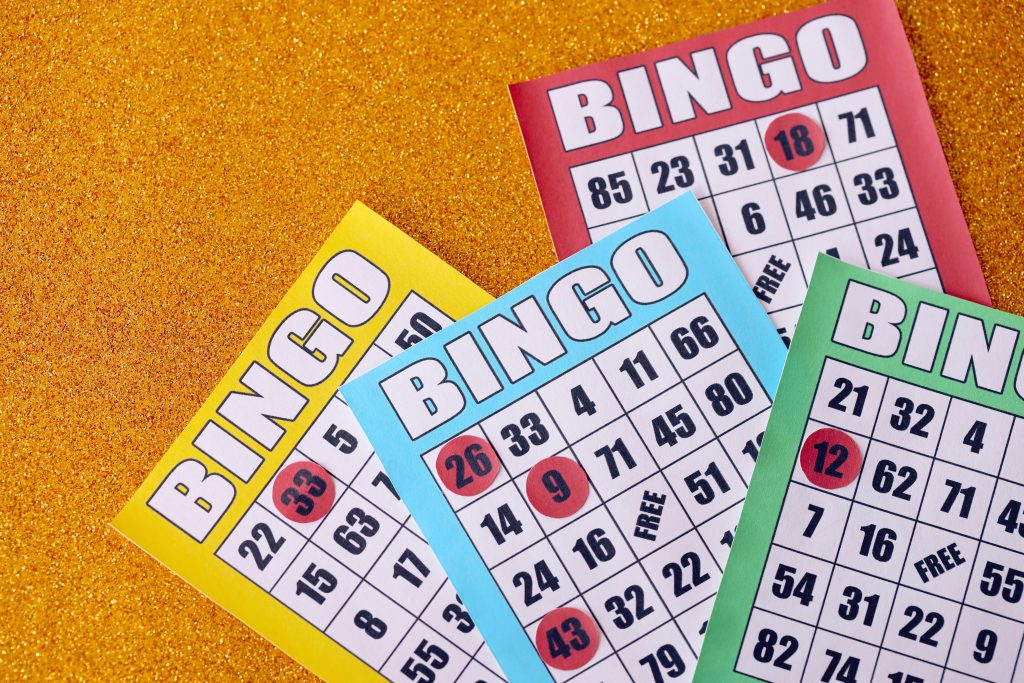
Slingo blends elements of bingo and slots. Players receive a grid, typically 5×5, and a set of numbers appears beneath it on each spin. When a shown number matches one on the grid, it gets marked. Completing lines across, down, or diagonally earns payouts based on the game’s paytable.
Many versions add special symbols. Jokers often act as wilds to help complete a line, while blockers can prevent progress. Some games offer bonus rounds or let players buy extra spins near the end of a round. Regardless of the features, outcomes are decided by the game’s underlying software, not by timing or player behaviour.
Payouts depend on how many lines are completed and any features triggered along the way. That core idea stays consistent across titles, even though themes and bonus mechanics vary.
Can Operators Or Software Providers Rig Slingo?
In the UK, operators and game suppliers must follow strict rules set by the Gambling Commission. Those rules require fair outcomes, clear information, and systems that prevent interference with results.
Before a Slingo title goes live, it must be tested by an independent lab to confirm that the rules work as stated and the outcomes are random. Intentionally altering a game’s results would breach licensing conditions and invite serious penalties.
If anything looks off, stop playing and report your concerns to the operator or the regulator. Wondering what actually determines the numbers and symbols you see each round? That leads straight to random number generation.
How Is Random Number Generation Used In Slingo?
Random Number Generation (RNG) decides which numbers and symbols appear on each spin. It produces sequences that cannot be predicted, making every round independent of the last. The game does not “remember” previous outcomes, and neither casinos nor players can foresee what will show next.
Independent testing labs check that a game’s RNG behaves as intended and that results fall within expected statistical ranges over time. This ensures the mechanics driving Slingo remain consistent and unbiased.
With the randomness explained, the next piece is understanding how different games are designed to pay back over time, which is where RTP and volatility come in.
What Is The RTP And Volatility In Slingo Games?
Return to Player (RTP) is the long-term theoretical percentage of total wagers that a game is expected to pay back to players over time. If a Slingo title lists 95% RTP, it means that, over a very large number of plays, £95 is returned for every £100 wagered. It is not a promise for any single session, so short-term results can be higher or lower.
Volatility describes payout patterns. High-volatility games may pay less often but in larger amounts when they do. Low-volatility games tend to produce smaller, more frequent wins. Choosing between them is about preference: steadier returns or swingier sessions.
These figures help set expectations. To trust them, it helps to know who checks the games and grants permission for them to be offered.
Which Licences And Independent Audits Prove Slingo Is Fair?
Legitimate Slingo games in the UK are offered by operators licensed by the Gambling Commission. That licence requires solid internal controls, transparent information, and fair technical standards.
Independent testing organisations, such as eCOGRA, GLI, and iTech Labs, examine games before release. They verify that the RNG is functioning correctly and that the rules match what is advertised. Many casinos show testing seals and list their licence details in the footer or help pages, and some game menus include links to the RTP and certification notes.
Knowing what to look for makes it easier to spot when something isn’t right, which brings us to warning signs.
How To Spot Signs Of A Rigged Slingo Game?
Most issues are avoided by sticking to regulated sites, but a few red flags are worth noting. If you see several of these together, it’s wise to be cautious.
- No clear licensing details in the site footer or help pages
- No mention of independent testing or certification
- Missing or vague rules, or no RTP information inside the game
- Unrealistic claims about guaranteed wins or “secret systems”
- Poor or evasive customer support when asked for testing details
- Inconsistent game performance, unexplained errors, or versions that change without notice
Perceived streaks or repeats can occur naturally in random games, so apparent patterns alone are not proof of wrongdoing. Focus instead on transparency, certification, and clear rules.
How Can Players Verify A Specific Slingo Game Is Fair?
It starts with the site itself. Check that the operator displays an active Gambling Commission licence number and that it matches the details on the regulator’s public register. Reputable casinos make this easy to find.
Look inside the game’s information menu for the stated RTP, rules, and the name of the testing lab. Some providers also show a game version number or certification reference. If anything is missing or unclear, ask customer support for a link or document that confirms the testing status.
If doubts remain, stop playing and report the concern. Operators should respond promptly and, if needed, point you to the relevant regulator or testing body for verification.
Common Misconceptions About Slingo Fairness
“Slingo is due a win after a losing run.” Not so. Each spin is independent because outcomes are produced by RNG. Previous results do not influence the next round.
“Playing at a certain time or using a special strategy increases the chances.” Slingo mechanics do not adjust to timing or betting patterns. No strategy can alter the underlying probabilities.
“Casinos can flip a switch to block wins.” Regulated games are audited and monitored. Interfering with individual results would breach licence conditions and be detectable through testing and oversight.
“RTP guarantees the same return for every session.” RTP is a long-term average, not a promise for a single play or short session. Real results vary.
If gambling starts to impact your wellbeing or finances, seek help early. Services such as GamCare and GambleAware offer free, confidential support. Stay informed, set sensible limits, and choose regulated sites, and you’ll have the key facts needed to assess Slingo’s fairness with confidence.
**The information provided in this blog is intended for educational purposes and should not be construed as betting advice or a guarantee of success. Always gamble responsibly.