

How Many Symbols On a Slot Machine Reel? Slot Reel Symbols Explained
Slot machines are a familiar sight both online and in physical venues. A common question is how many symbols appear on each reel, and what those symbols mean for gameplay.
The number of symbols on a reel shapes everything from how often certain results might appear to the types of features a game can support. With modern technology, it is not as straightforward as counting what you can see.
In this blog post, we explain the main types of slot reel symbols, how counts differ between mechanical and video slots, and how special symbols like wilds, scatters and bonuses work. We also cover virtual reels, weighting, RTP and volatility, with a few myths cleared up along the way.
Read on to learn more.
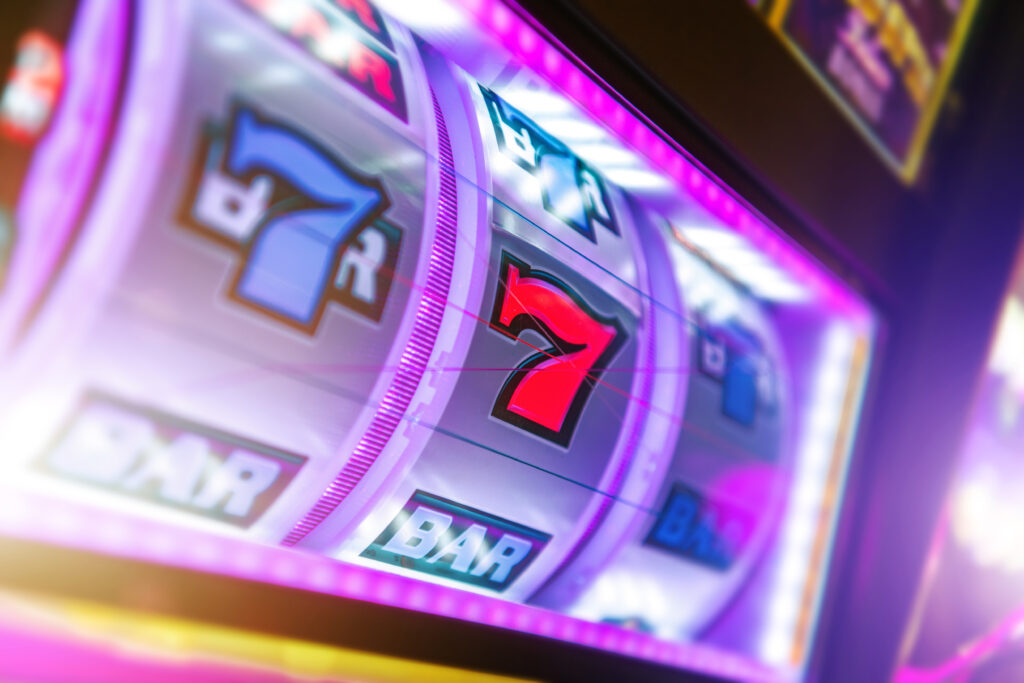
How Many Symbols On A Traditional Mechanical Reel?
Traditional mechanical slot machines use physical reels with a fixed number of symbols per reel. Classic three-reel fruit machines commonly had between 10 and 20 symbols on each reel.
Each symbol typically appeared once per reel, so the total number of combinations was easy to calculate by multiplying the symbols per reel together. For a three-reel slot with 20 symbols on each reel, there are 20 x 20 x 20 outcomes, which equals 8,000 possible combinations.
Because these machines rely on physical hardware, the number of symbols is limited. That shapes how often certain symbols may appear and how many winning combinations the game can support. Outcomes are produced by the spinning mechanism and are not influenced by previous results or player behaviour. Payouts and prize amounts are determined by the machine’s design.
How Many Symbols On A Modern Video Slot Reel?
As slot cabinets moved from gears to screens, those limits changed. Modern video slots use digital reels and software, so there is no strict cap on how many symbols can be mapped to each reel.
A single reel might have anywhere from around 20 to well over 100 mapped positions. Developers choose how many times each symbol appears within that mapping and can assign different probabilities to different symbols. The game then uses a random number generator to select outcomes, with only a small window of results displayed on screen.
What the player sees is a presentation layer. The underlying reel strips are virtual, and their exact size is rarely shown. Results are independent from spin to spin and cannot be altered by timing or technique.
Do Online Slots Use Different Symbol Counts Compared To Land-Based Machines?
Often, yes. Land-based machines with physical reel strips are constrained by space. Online slots, built entirely in software, can use longer virtual reels and a wider range of reel layouts.
Developers adjust symbol counts to suit the game’s features and paytable. This flexibility can support more paylines, different ways-to-win systems, or extra mechanics such as cascading reels. As with video slots in general, the actual mapping is handled in software, and outcomes are selected at random.
What Are Virtual Reels And How Do They Change Symbol Frequency?
Virtual reels are a software-based mapping of symbols to a much larger set of stops than a physical reel can hold. Each visible position on a reel corresponds to one of many virtual stops in the background.
By assigning high-value symbols to fewer virtual stops and low-value symbols to more, designers control how often each symbol might appear. For example, a top symbol may be linked to only a handful of virtual stops, while common symbols are linked to many. This approach allows complex paytables and features that a short, physical reel could not support.
The key point is that the selection remains random. Virtual reels do not introduce patterns a player can track; they provide a framework that defines probabilities under the hood.
How Does Symbol Count Affect Paylines And Winning Combinations?
The number of symbols mapped to each reel affects how many different outcomes a game can generate. With more possible stops per reel, there are more unique combinations overall. This gives designers room to introduce additional paylines, alternative line shapes, or ways-to-win systems that pay for matching symbols on adjacent reels.
There is a balance to strike. A broader symbol set can create variety and support special features, yet it may also mean that certain matching combinations appear less frequently. Game maths teams tune symbol counts and weighting to achieve the payout pattern intended for that slot.
Common Types Of Slot Reel Symbols
Slot games use several categories of symbols, each with a specific purpose. Knowing what they do helps make sense of what is happening on screen during play.
Wild Symbols: How They Work
Wild symbols substitute for regular symbols to complete or improve winning combinations. Some games add twists such as sticky wilds, walking wilds or multiplier wilds, but the core idea is the same: they help form matches that would otherwise miss.
Scatter Symbols: Payouts And Triggers
Scatters usually pay or trigger features based on how many appear anywhere on the reels, regardless of paylines. In many games, landing the required number triggers free spins or another feature round.
Bonus Symbols: Free Spins And Mini-Games
Bonus symbols unlock extra rounds, such as free spins, pick-and-win games or feature trails, when they land in the numbers or positions set by the rules. The exact trigger and the prizes available vary by game, so the paytable is the best place to check specifics.
Low-Paying And High-Paying Symbols
Most slots group symbols into low and high tiers. Lows are often card ranks or simple icons that pay smaller amounts more often. Highs are theme-led symbols that pay more when they land in combinations, but they may appear less frequently.
What Are Stacked, Split And Expanding Symbols?
Some slots go further by changing how symbols occupy space on the reels.
Stacked symbols are several copies of the same symbol sitting one above another on a reel. They can cover part or all of a reel and make it easier to land multiple lines at once.
Split symbols count as two or more matching symbols even though they occupy a single reel position. This boosts the effective symbol count on that spin and can increase the size of a win.
Expanding symbols grow to fill an entire reel when a condition is met, such as landing during a feature or completing a specific pattern. This mechanic can create broader coverage across paylines or ways.
How Do Weighted Reels And Symbol Weighting Work?
Weighting adjusts how often individual symbols can be selected. In older mechanical games, this could mean repeating a symbol more times on the physical strip. In digital games, it is done in software by mapping symbols to more or fewer virtual stops.
High-value symbols are usually weighted to appear less often, while lower-value symbols appear more frequently. This weighting, combined with the paytable, shapes the frequency and size of payouts. Although probabilities differ by symbol, each spin remains independent.
How Symbol Count Relates To Return To Player And Volatility
Symbol count feeds into a slot’s underlying maths, including Return to Player (RTP) and volatility.
Return to Player is the long-term percentage a game is designed to pay back across all play. Developers reach this target by combining symbol frequencies, paytable values and feature triggers. Longer reels and selective weighting give them more control over the numbers behind the scenes.
Volatility describes how a game tends to pay. High-volatility titles tilt towards rarer but larger prizes, while low-volatility games pay smaller amounts more frequently. The mix and frequency of symbols, especially higher-value ones that appear less often, plays a direct role in setting that profile.
How Can You Tell How Many Symbols Are On A Specific Slot Reel?
With classic mechanical slots, the reel strips may be visible, so it is sometimes possible to estimate counts by inspection. Modern digital slots are different. The true number of symbols per reel is set in software and is typically not shown on screen.
Help pages and paytables explain what symbols do and how they pay, but they rarely list the full mapping or the number of virtual stops. In some cases, technical documents may exist for regulators, though they are not usually published to players. Knowing the exact count does not provide a way to influence results, as outcomes are selected at random.
Examples Of Symbol Counts In Common Reel Formats
The number of symbols per reel varies by format and technology, and that choice supports the way each game plays:
- Traditional 3-Reel Mechanical Slots: Classic fruit machines often have between 10 and 20 symbols on each of the three reels, with each symbol appearing once per reel.
- 5-Reel Video Slots: Modern video slots generally use five reels. Each reel may be mapped with 30 to 100 or more virtual positions, but only a few are visible on screen at any time.
- Online Slots With Megaways or Grid Formats: Variable-reel systems such as Megaways can show between 2 and 7 symbols per reel on each spin. The changing reel heights create thousands of potential combinations.
- Specialty and Multi-Reel Machines: Some games use more than five reels or novel layouts. These designs use bespoke symbol counts tuned to the game’s features and maths.
Common Myths About Symbol Count Debunked
A few ideas tend to circulate about symbol counts. One is that more symbols always mean bigger wins, or that fewer symbols guarantee frequent payouts. In practice, symbol count is just one part of the overall design. Payouts come from the combined effect of symbol weighting, paytables, features and random selection.
Another misconception is that players can work out symbol frequencies by watching the reels. With virtual reels and weighted mapping, most of what matters sits out of sight, so observation does not reveal reliable patterns.
It is also common to hear people talk about hot or cold machines. Slots do not store a memory of past results, so each spin is independent. If gambling starts to affect well-being or finances, seek support early. Organisations such as GamCare and GambleAware offer free, confidential help.
Play Slots Online at Rose Casino
If you enjoy online slots, Rose Casino provides a straightforward way to explore a wide range of games in a licensed, regulated environment.
You will find jackpots, Megaways, Drops & Wins and classic-style titles from reputable providers, all in a lobby designed to make browsing simple. We also offer practical tools to help you manage your play, including deposit limits, reality checks and time-outs.
If you’re interested in seeing what we have available, feel free to create an account with Rose Casino and explore our slot collection at your own pace. Set a budget that suits you, and keep play as occasional entertainment.
**The information provided in this blog is intended for educational purposes and should not be construed as betting advice or a guarantee of success. Always gamble responsibly.