

Dozens and Columns Roulette: How These Bets Work and Myths Busted
If you’re looking to make your roulette experience a bit more interesting, dozens and columns bets might be exactly what you need. These popular options on the betting table offer a different way to play than simply picking a single number.
Still, there’s a lot of confusion out there. Some players believe you can outsmart the wheel using these bets, while others worry they’re too risky to touch.
This post will shine a light on how dozens and columns really work and clear up common misunderstandings. Ready to sort fact from fiction and have more fun at the table? Let’s dive in!
What Are Dozens And Columns Bets?
Dozens and columns bets are two ways to back a group of numbers in roulette rather than just one.
A dozens bet lets you choose from three sets of 12 numbers: 1–12 (1st dozen), 13–24 (2nd dozen), or 25–36 (3rd dozen). If the ball lands on any number in your chosen group, you win. The zero is not part of any dozen.
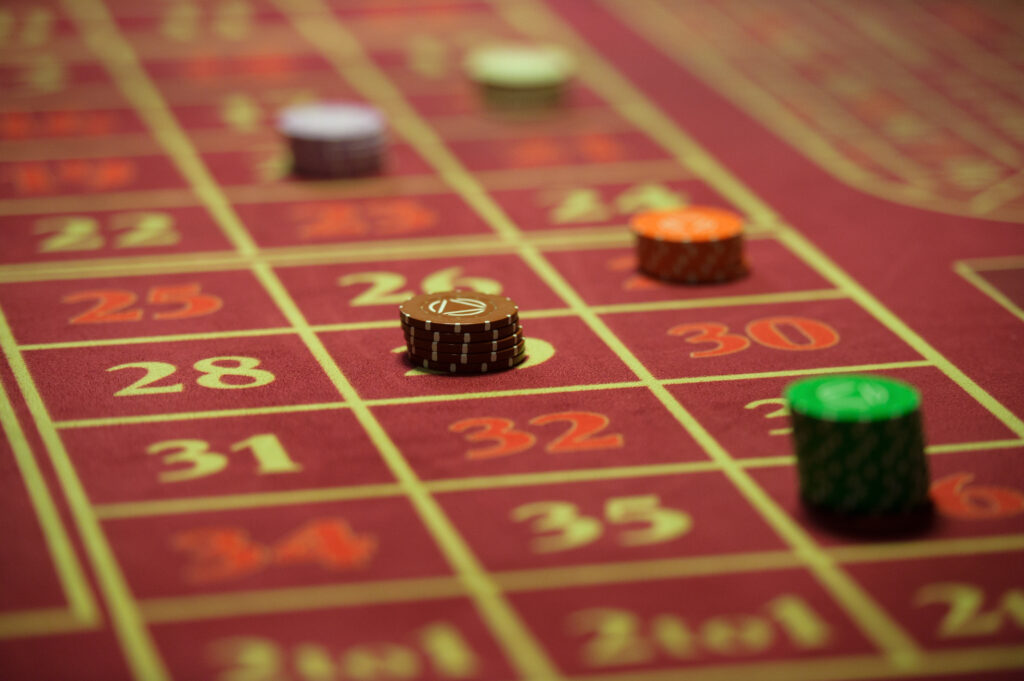
Columns bets also cover 12 numbers, but they’re arranged along the length of the roulette table in three vertical lines. Place your chips below your chosen column to make this bet.
Both bets pay 2 to 1, so you’ll double your wager and get your original stake back if you win. They’re a simple way to get wider coverage without placing lots of separate single-number bets.
How Do You Place Dozens And Columns Bets On A Roulette Table?
Placing dozens or columns bets is straightforward, even if you’re new to roulette.
On the layout, three areas marked “1st 12”, “2nd 12”, and “3rd 12” correspond to the three dozens. Putting chips on one of these areas backs that full set of 12 numbers.
For columns bets, the backing area sits at the end of each vertical column of numbers. Chips placed on one of these boxes back all 12 numbers in that column.
Once bets are placed and the round begins, the spin settles the outcome. It helps to glance at your chip positions, especially online, to be sure your stake sits on the option you intend.
How Do Payouts And Probabilities Work For These Bets?
Both dozens and columns bets pay 2 to 1. So if you bet £5 and win, you’ll receive £10 in winnings plus your £5 stake back, for a total of £15.
Each bet covers 12 numbers. That gives a hit rate of 12 out of 37 on a European wheel (about 32.4%) and 12 out of 38 on an American wheel (about 31.6%). The single zero on European tables and the extra double zero on American tables do not belong to any dozen or column, which is where the house edge comes from.
These options offer broad coverage compared with single numbers. Just keep in mind that every spin is independent, and there isn’t a guaranteed path to profit.
Is There A Difference Between Dozens And Columns?
Yes, even though each covers 12 numbers.
With a dozens bet, you’re choosing one of three sequential blocks: 1 to 12, 13 to 24, or 25 to 36.
A columns bet covers 12 numbers lined up vertically on the table. Each column mixes low and high, odd and even, rather than running in sequence.
The payout is the same for both, but the feel is different. Some prefer the neat sequence of a dozen; others like the spread of a column across the felt.
How Do Dozens And Columns Compare With Other Outside Bets?
Dozens and columns are classed as outside bets because they sit around the edge of the table rather than targeting single numbers.
Other outside bets include red/black, odd/even, and high/low. Those cover 18 numbers, so they win more often than dozens or columns but pay less at 1 to 1. Dozens and columns pay 2 to 1, reflecting that they cover fewer outcomes.
In short, dozens and columns sit between even-money bets and inside bets on the risk–reward spectrum. They add variety and a larger payout than red/black, while avoiding the swings of single-number wagers.
Dozens And Columns On European Versus American Wheels
The core difference between European and American wheels is the zeroes: one zero on European, a zero and double zero on American. This affects the maths but not the payout.
On European tables, a dozens or columns bet covers 12 of 37 outcomes. On American tables it’s 12 of 38, so the extra double zero reduces the hit rate slightly and increases the house edge.
If you have the choice, European roulette is generally more favourable for any outside bet, including dozens and columns. It’s worth checking the wheel type before you play.
How To Calculate Winnings And Break-Even For Dozens And Columns?
Calculating a return is simple. A winning £10 dozens or columns bet pays £20 in winnings plus your £10 stake, returning £30.
For break-even, imagine a theoretical game with no zero. At a 2 to 1 payout, you’d need a 33.33% hit rate to break even. On a European wheel the actual hit rate is about 32.4%, and on an American wheel it’s about 31.6%. That gap creates the house edge of roughly 2.70% per £1 staked on European tables and about 5.26% on American tables.
Viewed over many spins, that edge shows up in the results. In the short term, outcomes will vary, but the expected value remains negative.
Common Myths About Dozens And Columns Busted
Dozens And Columns Follow Hot And Cold Numbers?
It’s a common belief that certain dozens or columns become “hot” or “cold.” In reality, every spin is independent. Past outcomes don’t influence what happens next, and long streaks can occur without meaning anything predictive. The layout doesn’t learn or lean toward any set.
Doubling Systems Work Better On Dozens And Columns?
Some think a doubling system, like the Martingale, gets around losses on these bets. Because dozens and columns don’t pay even money, the numbers don’t line up to recover previous losses reliably, and table limits cap how far such a progression can go. Bankrolls tend to shrink faster than expected when using these systems.
Covering Multiple Dozens Or Columns Guarantees A Profit?
Backing two dozens or two columns increases the chance of a hit on a given spin, but it doesn’t create a sure profit. There’s always at least one uncovered section plus the zeroes, and the house edge still applies over time. More coverage changes the rhythm of wins and losses, not the long-term expectation.
Practical Examples And Bankroll Impact
Suppose you place £5 on the “1st 12.” If the ball lands from 1 to 12, the return is £15 (£10 winnings plus your £5 stake). If it doesn’t, you lose £5.
Now imagine £5 on two different columns at once. You’re staking £10 total. If one of your columns hits, the return is £15 from the winning column, and you lose £5 on the other, for a net profit of £5. If the result falls in the third column or on zero, you lose the full £10 that spin.
The same idea applies to two dozens at £5 each. You’ll net £5 when one of your covered dozens hits, but you’ll lose £10 when the result lands in the uncovered dozen or on zero. Over time, the expected loss reflects the house edge rather than the number of areas you cover.
Regular small wins can feel reassuring, yet staking multiple positions quickly raises your total outlay per spin. Setting boundaries for stake size and session spend helps keep gameplay measured and enjoyable.
How Table Limits And Dealer Actions Affect Dozens And Columns
Every roulette table sets minimum and maximum limits, and these apply to dozens and columns the same as any other bet. It’s sensible to check the limits so your usual stake fits comfortably within the range.
If you’re adjusting stakes between spins, remember that table maximums can halt a progression plan sooner than expected. This is especially noticeable with larger chips.
Dealer procedure also matters in live or physical casinos. When “no more bets” is called, chip placement is locked for that spin, so timing is important. Online, the betting window closes automatically before the spin, often with a visible countdown.
Following table rules and timings keeps the game smooth and avoids disputes, letting you focus on the choices that suit how you like to play.
**The information provided in this blog is intended for educational purposes and should not be construed as betting advice or a guarantee of success. Always gamble responsibly.