

Do Shops Accept Ripped Notes? UK Banknote Policy & Rules Explained
Finding a torn or damaged banknote in a wallet is common, but knowing what to do with it can be unclear. Will a shop take it, or should it be exchanged somewhere else?
Understanding how retailers, banks and the Bank of England deal with damaged notes helps avoid awkward moments at the till. Different types of damage are treated differently, and some notes are easier to exchange than others.
This guide explains the UK position on damaged banknotes, how shops decide whether to accept them, what the Bank of England will do, the differences with Scottish and Northern Irish notes, and practical steps for exchanging a note if you need to.
Read on to learn more.
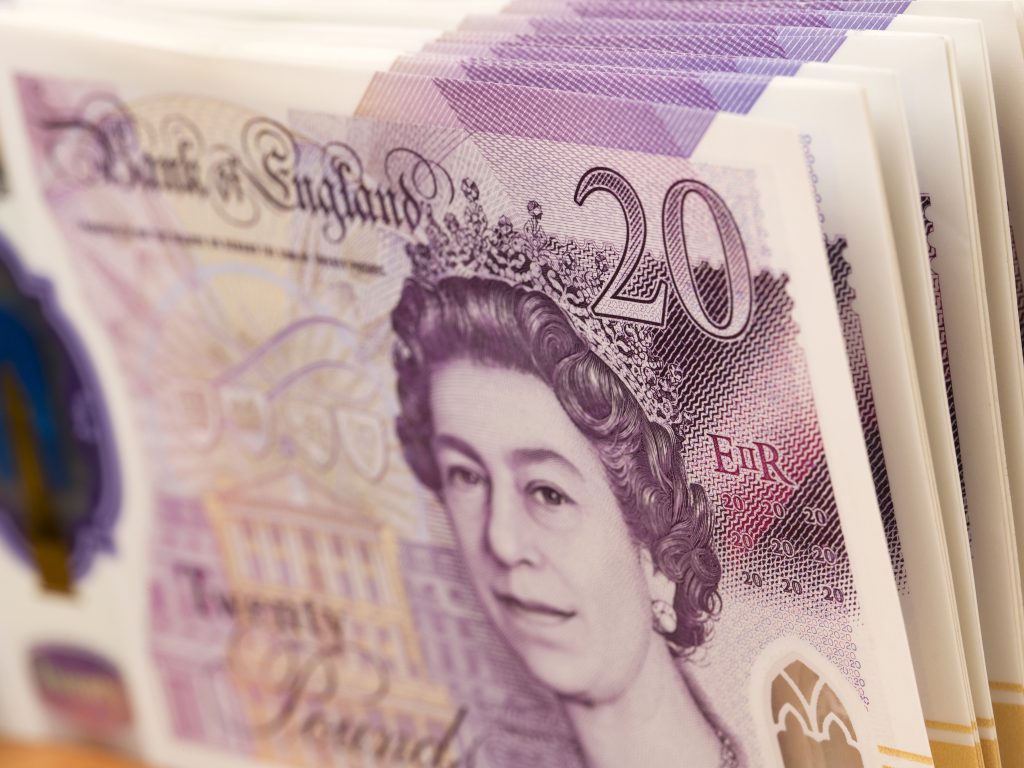
Can Shops Legally Refuse Ripped Banknotes?
In the UK, shops do not have to accept every banknote offered. If a note is badly torn or appears altered, a retailer can choose to decline it.
The decision usually comes down to two questions: is the note genuine, and is enough of it present for a bank to accept later? Staff also consider whether self-checkouts or note acceptors will reject it, as machines are less forgiving than people.
There is no law forcing a shop to take a note in poor condition, so a polite refusal is within their rights. If you receive a damaged note in change, it is often easier to exchange it at a bank or Post Office rather than trying to spend it.
So what actually counts as “ripped” or “mutilated” in this context?
What Counts As A Ripped Or Mutilated Note?
A note is “ripped” when it has visible tears, cuts or missing pieces, such as a torn corner or a split along part of the note. “Mutilated” generally means more serious damage, including heavy staining, burning, contamination, or a note in multiple pieces.
Minor wear, like creases, folds or light marks, is usually not a problem. For polymer notes, small tears near the edge or a little tape where a tear has been repaired might still pass a visual check if security features are clear. Heavy staining, melted plastic, or missing areas are more likely to raise concerns.
Banks and businesses look at the overall state of the note and whether key features can still be verified. If there is uncertainty, a bank or post office can give guidance and, if needed, help with an exchange.
Bank Of England Rules For Damaged Notes
The Bank of England runs a service for damaged Bank of England notes. If a note is torn, scorched, contaminated or in pieces, you can send it in for assessment and possible replacement.
The Bank will check that the note is genuine and that enough of it is present to justify paying the value. It helps if security features such as the see-through window, hologram and raised print remain visible, and if all fragments you have are included. For polymer notes, try not to further crease or separate pieces before sending.
Submitting a claim involves completing a short application with your details and posting the damaged note securely. The Bank will pay by bank transfer if the claim is approved. Time frames vary according to the case and workload, but a few weeks is typical.
This service covers Bank of England notes. Scottish and Northern Irish notes are handled by their issuing banks, which set their own processes for damaged notes.
Of course, most decisions about whether a damaged note changes hands happen long before anything is posted off to the Bank.
How Do Shops Decide Whether To Accept A Torn Note?
Shops apply a practical test at the till: does the note look genuine, and is enough of it there? If only a small tear is present and security features are easy to check, many retailers will accept it. If a section is missing, markings obscure features, or the note looks altered, refusal is more likely.
Staff are trained to check visible security elements. With polymer notes, that usually means looking for the clear window, hologram, raised print and microtext. Automated tills and self-checkouts tend to reject notes with larger tears, missing corners, or heavy creasing.
Many businesses prefer notes in good condition because banks may not accept severely damaged cash in deposits. If a note is declined, staff will usually suggest visiting a bank or Post Office instead.
How Do Scottish And Northern Irish Notes Differ?
Scottish and Northern Irish banknotes are issued by authorised banks rather than a central bank, so designs and security features differ by issuer. They are widely used in their home nations and can be accepted elsewhere in the UK, but they are not legal tender in England or Wales. Because of this, some shops outside Scotland and Northern Ireland may choose not to accept them at the till.
If a Scottish or Northern Irish note is damaged, the issuing bank sets the exchange process. Most publish clear guidance and will replace eligible notes after checking authenticity and the amount of the original note that remains.
Whichever note you are holding, the next question is simple: how do you judge if it is still good enough to use?
How Can I Tell If A Ripped Note Is Still Valid?
A note is generally still usable if enough of it remains and the key security features are clear. Compare it with another note of the same denomination if you can. Look for:
- A clean see-through window and hologram that changes when tilted
- Raised print you can feel with your fingertips
- Clear microtext and crisp print quality around the portrait and value
- No large missing sections that cut through security areas
A small tear or fold is unlikely to cause trouble. Larger missing pieces, heavy staining, or damage that obscures features make acceptance less likely. If in doubt, a bank or Post Office can advise or help with an exchange. Older withdrawn paper notes can still be exchanged, but no longer circulate in shops.
What Should I Do With A Ripped Note?
If you end up with a damaged note, it is usually best not to try to spend it if the damage is more than a minor tear. Keep all the pieces together and avoid further damage. Banks, building societies and some Post Offices can help, and severely damaged Bank of England notes can go to the Bank for assessment.
What To Take When You Go To A Bank Or Post Office
When seeking an exchange, bring the whole note or every piece you have. Staff may ask for identification if the amount is high or the damage is significant, so carrying a driving licence or passport can speed things up. Some Post Offices offer a counter exchange for Bank of England notes, while others will process a deposit to your bank account or direct you to your bank’s branch.
Where Can I Exchange Damaged Banknotes?
Most high street banks and building societies will accept damaged Bank of England notes from their customers and credit the value after a check. Some Post Office branches provide a cash exchange service, though availability varies by location, so it is worth asking ahead.
If a note is badly mutilated or there is doubt over its condition, sending it directly to the Bank of England with a completed claim is appropriate. For Scottish and Northern Irish notes, contact the issuing bank for instructions on their process.
If you are using cash for gambling, keep essential spending separate and only use money you can afford, using safer gambling tools where needed.
Tips For Retail Staff When Handling Torn Notes
Retail teams see damaged notes regularly, so a clear approach helps. Check visible security features first. If a note has only a minor tear and the window, hologram and raised print look right, it may be acceptable. If a section is missing or the note looks altered, it is reasonable to decline and explain the store’s policy.
- Avoid repairing notes with tape at the till, as this can complicate later checks.
- Escalate any suspicious notes to a manager and follow your counterfeit procedure.
- Make sure staff know where to direct customers for help, such as a bank or nearby Post Office.
Good judgement and a consistent policy keep conversations with customers straightforward. With the right checks and routes for exchange, damaged notes need not disrupt payments or cause unnecessary worry.
**The information provided in this blog is intended for educational purposes and should not be construed as betting advice or a guarantee of success. Always gamble responsibly.