

Corner Bet Roulette Explained – Odds, Payouts & Table Layout
Roulette is packed with interesting betting options, but have you ever wondered what a corner bet is, or why so many players use it? If you’re keen to explore fresh ways to play, understanding the corner bet is a great place to start.
This wager covers four numbers at once and adds a different shape to how you approach the table. It can change the feel of a session and the returns you aim for, without narrowing everything down to a single number.
In the guide below, you’ll find clear explanations of how corner bets work, where to place them, and what the numbers look like in terms of odds and payouts. Let’s dive in.
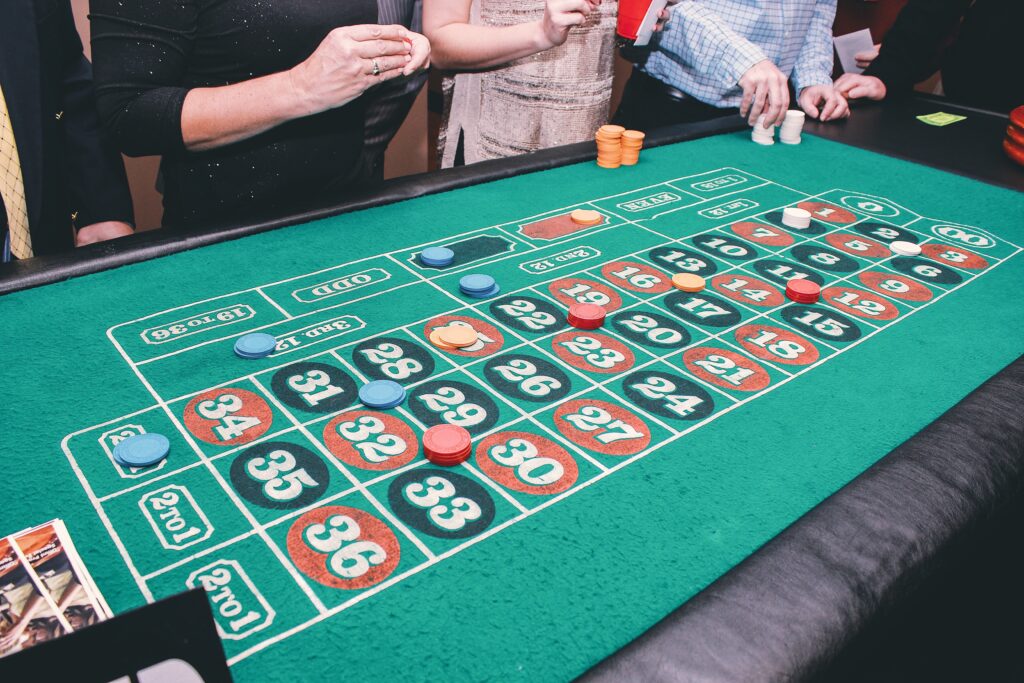
What Is a Corner Bet in Roulette?
A corner bet, sometimes called a square bet, is an inside wager that covers four numbers at once. Rather than backing a single number, you place your chip on the precise point where the four adjoining numbers meet on the betting layout.
This placement means your stake is shared equally across the four selections. You can stack chips if you wish to increase the total stake on that exact intersection, and the dealer can help confirm the correct spot if you are unsure.
For example, to cover 2, 3, 5, and 6, you set your chip directly at the intersection where those boxes touch. Each number is covered in equal measure, and if the ball lands on any one of them, the bet pays 8 to 1. If none of the four numbers hit, the stake is lost.
The probability of winning depends on the wheel in use. On a single-zero (European) wheel, a corner covers 4 of 37 numbers (around 10.81%). On a double-zero (American) wheel, it covers 4 of 38 numbers (around 10.53%). The house edge remains built into the game (typically about 2.70% for single-zero and 5.26% for double-zero), and the return to player does not change based on how you stake.
Because it spreads one stake across four numbers, the corner bet sits between single-number bets and broader outside bets in terms of volatility and frequency of returns. Always stake responsibly, be mindful of table limits and any minimums for inside bets, and remember that roulette outcomes are random—no staking method can guarantee a win or alter the odds. Prefer a practical tip on getting that placement right? That’s next.
How Do You Place a Corner Bet on the Table?
Placing a corner bet is straightforward once you know what to look for on the felt. Identify four adjoining numbers that form a neat square, then position your chip on the shared corner where their borders meet so it clearly touches all four.
Using 10, 11, 13, and 14 as an example, the chip sits precisely on the point in the middle of their touching corners. The dealer needs to see that the chip clearly covers the intersection so it’s read as a four-number wager rather than a straight-up on a single box. If you wish to stake more on the same bet, you can place additional chips on that same point, provided you stay within the table limits.
At online tables, selecting that intersection usually places the bet automatically, and many interfaces will highlight the covered numbers before you confirm. Ensure you check the displayed stake and pay-out information and confirm before the spin. Bets are accepted only until “no more bets” is called, and once closed you cannot amend or cancel them.
The same principle applies on both single-zero (European) and double-zero (American) layouts, even though the number arrangement on the wheel differs from the grid on the felt. A corner bet typically pays 8:1 and covers four numbers equally; outcomes are determined by chance, and the position of your chip beyond the required intersection does not influence the result.
Spotting those intersections becomes easier when you think about how the whole layout is arranged, which brings us to the table itself. Always play within your means, set sensible limits, and only gamble for entertainment.
Roulette Table Layout and Where Corner Bets Fit
The roulette table is laid out as a grid showing numbers 0 to 36, and in some versions 00 as well. The main betting area is arranged in three columns and twelve rows for 1–36, with 0 (and 00, if present) positioned at the top of the layout.
These numbered boxes create a pattern of small squares across the inside betting area. Each square is formed where four consecutive numbers sit together in a neat block, such as 1-2-4-5 or 17-18-20-21.
Corner bets make use of these precise intersections. You place your chip on the point where the four boxes meet, and that single stake then covers all four numbers in that cluster.
Not every junction on the felt qualifies. Corners generally exist only within the 1–36 grid, so special zones near 0 (and 00) follow different rules. For example, bets like 0-1-2-3 are treated as a separate, specific bet rather than a standard corner.
Because there are many valid intersections across the layout, you can focus on central clusters or choose groups nearer the top or bottom of the grid. The selection is flexible, but the underlying odds do not change based on where the square sits.
Corner bets typically pay 8:1 on European tables, though exact payouts and rules can vary by game type and venue. Always check the table rules and displayed limits before placing your chips, as some tables apply specific minimums to inside bets.
Roulette is a game of chance and no placement strategy can influence the outcome. Please set sensible limits, only wager what you can afford to lose, and stop if the fun stops.
What Are the Odds of a Corner Bet?
When you place a corner bet (also called a square bet), you’re covering four adjoining numbers that meet at a single intersection on the layout. You’re backing any one of those numbers to land on the next spin, and the underlying maths depends on the wheel in use.
In European roulette, there are 37 pockets on the wheel (numbers 1 to 36 plus a single zero). A corner bet therefore has a 4 in 37 chance of winning, which is about 10.81%. Each spin is independent, so previous results do not change this probability.
In American roulette, there are 38 pockets (including a double zero). That gives a 4 in 38 chance, roughly 10.53%. The additional pocket slightly reduces the likelihood of any inside bet, including corners, landing.
Those probabilities sit between the chances for single-number bets and broader outside wagers, which is part of the corner bet’s appeal. With that in mind, how do the payouts compare?
Standard table rules pay 8 to 1 on a winning corner bet on both European and American wheels. For example, a £1 stake returns £8 profit plus your £1 stake back if the bet wins; if it loses, your stake is forfeited. The payout is fixed, but the true odds differ by wheel type, which is why the house edge exists.
As a guide, the house edge on European roulette is approximately 2.70%, while on American roulette it is about 5.26%. No staking system can alter these built-in margins, and outcomes are random. Always set limits and only wager what you can afford to lose.
How Much Does a Corner Bet Pay?
A corner bet in roulette pays 8 to 1 (often shown as 8:1). Stake £1 and a winning spin returns £8 in winnings plus your original £1, for a total of £9. For example, a £5 stake would return £40 in winnings plus your £5 stake, totalling £45.
This payout is standard on both European and American tables. The hit rate is lower than even-money bets, and if you prefer to think in totals, you can simply multiply your stake by 9 to see what comes back on a win.
Although the return is fixed, the underlying chance of winning differs by wheel. On a European (single-zero) wheel, a corner covers 4 numbers out of 37, giving a probability of roughly 10.81%. On an American (double-zero) wheel, it is 4 out of 38, around 10.53%.
Because of this, the house edge is about 2.70% on European roulette and about 5.26% on American roulette. No betting system can alter these probabilities or the 8 to 1 payout; outcomes are random and independent.
Gamble responsibly: set limits, only stake what you can afford to lose, and treat roulette as entertainment rather than a way to make money.
European Vs American Roulette: Corner Bet Differences
The key difference is the wheel layout. European roulette has a single zero, while American roulette has both a single zero and a double zero. That extra pocket changes the maths behind every wager.
On a corner (square) bet you are covering four numbers. In European roulette the chance of hitting one of those four is 4/37 (about 10.81%), whereas in American roulette it is 4/38 (about 10.53%). The payout for a winning corner is 8 to 1 in both versions, so the double zero does not increase the payout; it simply lowers the likelihood of a win.
This difference feeds into the house edge. On European tables the house edge is typically around 2.70%, while on American tables it is about 5.26%. Over time, that means the single‑zero game generally offers stronger overall odds for the same corner bet.
If you are comparing tables, check the rules displayed at the wheel or on the layout, as variants and table limits can affect how you play. Some casinos may label corners as “square” bets, but the mechanics and paytable are usually the same.
If you like checking the figures yourself, the basic sums are simple: compare the probability of success (numbers covered divided by total pockets) against the fixed 8 to 1 payout, and you will see why the single zero is mathematically kinder in the long run.
Roulette is a game of chance. Set a budget, play within your limits, and remember that no bet or system can remove the house edge.
How To Calculate Corner Bet Probability And Payouts
The probability of a corner bet is the number of covered outcomes divided by the total pockets on the wheel. A corner covers 4 numbers, so it is 4 out of 37 on a European wheel (about 10.81%), and 4 out of 38 on an American wheel (about 10.53%). Each spin is independent, and previous results do not influence future outcomes. For online roulette, outcomes are determined by certified RNGs.
The payout for a corner is typically 8 to 1. This means you win £8 for every £1 staked, and your original stake is returned on a win. To find the total return, multiply your stake by 8, then add your stake back. For example, a £2 corner that wins pays £16 in winnings plus your £2 stake, for £18 in total.
Always check the table rules, as wheel type (European or American), table limits, and any special conditions can affect the overall experience, even though the standard corner payout is usually the same. The house edge arises because the payout is lower than the true odds implied by the number of pockets.
These calculations are for understanding probabilities and potential returns only and do not guarantee any outcome. Compare tables and stakes carefully, set limits, and only stake what you can afford to lose.
Does the House Edge Change for Corner Bets?
Across standard roulette bets, the house edge does not change based on the type of inside or outside wager you choose, and that includes corner bets. While the payout varies by bet type, the built‑in advantage remains the same under standard rules.
On a European wheel, the house edge is 2.7%. On an American wheel, it is 5.26% because of the extra double zero pocket. Certain table rules, such as La Partage or En Prison on even‑money bets, can reduce the effective edge, but they do not specifically change it for corner bets.
The way you spread your chips among standard bets does not alter that advantage. House edge is a long‑term statistical measure, so short sessions can still see results that differ from the expected return.
Knowing this helps you focus on the bets you enjoy and the layout patterns you prefer, rather than searching for a type of wager that changes the edge. Always check the table rules in advance so you understand the wheel type and any special conditions that apply.
Roulette outcomes are random and no staking pattern or selection strategy can overcome the house edge. Set limits, play within your means, and treat roulette as a form of entertainment rather than a way to make money.
Common Mistakes Players Make With Corner Bets
It’s easy to get swept up in the moment, especially at a busy table or during a fast online session, but a few recurring errors can be avoided with a little care. Take your time, pause before the spin, and make sure you understand the bet you are placing.
Misplacing the chip is the most common slip. For a corner bet, the chip must be centred precisely on the intersection of the four numbers; if it leans towards a line, the dealer may read it as a split or street, and you could miss a winning outcome. A quick glance to check that placement pays off, and if you are unsure, ask the dealer to confirm before “no more bets” is called.
Online, most layouts highlight the bet area when you hover or tap. Use this to confirm you are selecting the intended four-number block. Once a spin begins, chip positions generally stand as placed, so double-checking beforehand is the safest approach.
Another issue is misunderstanding the numbers and returns. Corner bets typically pay 8:1, but always check the table rules, as house rules and side formats can vary. The probability is the same for every valid corner on the same wheel type, though European (single-zero) and American (double-zero) wheels have different odds overall.
Remember that every spin is independent and random; past results do not influence future outcomes, and no staking system can change the house edge. Setting realistic expectations helps avoid disappointment and supports informed play.
It can also be tempting to scatter too many corners at once. While this covers more outcomes, it also increases your total at risk each spin and can drain a balance quickly if several miss in a row. Consider your bankroll, table minimums, and how multiple bets compound exposure across a session.
A simple plan can help: choose stake sizes you are comfortable losing, decide in advance how many spins to play, and review your position regularly. Small, consistent stakes often make it easier to track spending than frequent adjustments.
Focus on clear placement, understanding the rules and payouts, and sensible staking. Set a budget and time limit, take breaks, and never chase losses. If gambling stops being fun or you feel you are losing control, consider using safer gambling tools such as deposit limits or time-outs, and seek support if needed.
**The information provided in this blog is intended for educational purposes and should not be construed as betting advice or a guarantee of success. Always gamble responsibly.