

Electronic Roulette: Are Electronic Roulette Machines Rigged or Fair?
If you’ve ever played electronic roulette at a casino or betting shop, you might have wondered if the machines are truly fair or if the odds are stacked against you from the start. With real money on the line, it’s perfectly normal to feel cautious and want clear answers before you spin.
Whether you’re a seasoned player or brand new to casino games, understanding how electronic roulette works makes it easier to make informed choices. Myths can spread quickly online, so it helps to know what is fact and what is fiction.
In this post, we’ll look at how these machines operate, how results are generated, what the rules require, and how to spot red flags, so you can judge electronic roulette on evidence rather than rumours.
How Do Electronic Roulette Machines Work?
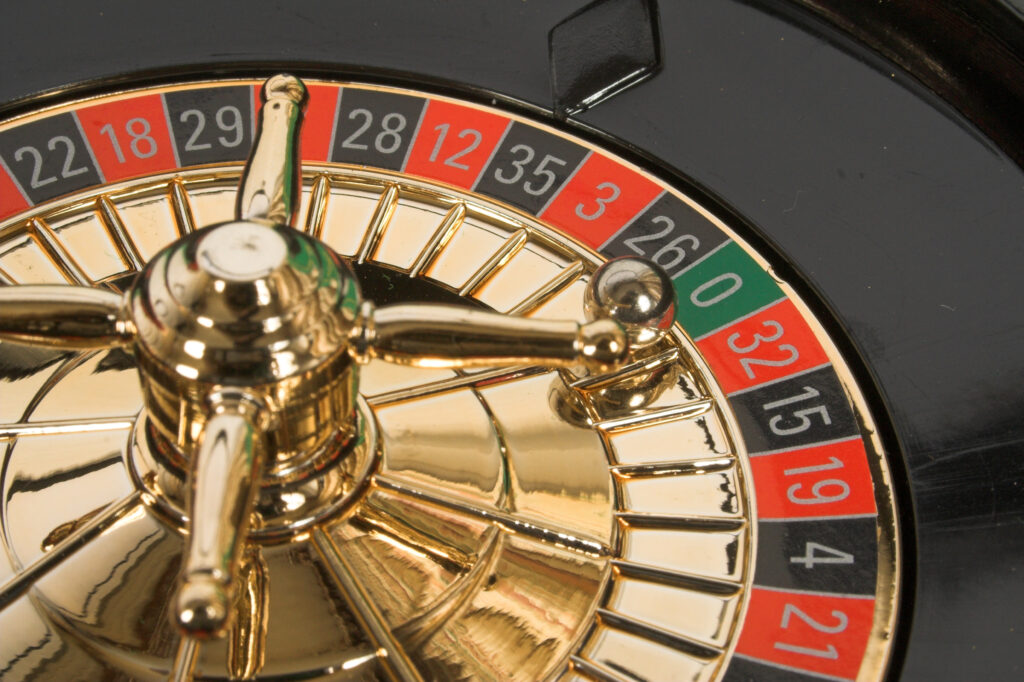
Electronic roulette machines look and feel similar to a traditional table, but the process is automated. You place chips and select bet types on a touchscreen or button panel, then the outcome is generated by software or, on some terminals, by a linked mechanical wheel that all players can view.
Most terminals in the UK use a Random Number Generator (RNG) to determine results. The RNG picks a single outcome at the point the spin is resolved, and the machine then animates the ball landing in the corresponding pocket on the virtual wheel. Each spin is independent, and previous results do not influence future outcomes.
These systems are operated under strict rules set by the regulator and are tested for fairness by approved labs before they appear on the gaming floor. Licensed operators must keep the software up to date, and the game cannot be adjusted to react to your stake size, length of play, or recent wins and losses.
You will usually find clear on-screen information about bet limits, payouts, and the rules, often within a help or info menu. The theoretical Return to Player (RTP) and other key information should be displayed so you can make informed choices before you stake.
They are quick and straightforward to use, with familiar layout, clear bet options, and fast results. Remember that roulette has a built‑in house edge and no system can guarantee profit; only stake what you can afford to lose and consider using time or spend limits where available.
If you are mostly curious about how random those results really are, that is up next.
How Random Are Electronic Roulette Outcomes?
Electronic roulette outcomes are intended to be independent and genuinely unpredictable. Each spin is a separate event produced by a Random Number Generator (RNG), so earlier results do not influence what comes next. The size of your stake, the time between spins, and your recent results have no bearing on the following outcome.
The probability of any particular number or bet type winning is the same on every spin, in line with the game’s rules, wheel layout, and paytable. No staking pattern or timing method can alter those odds.
In the UK, independent testing laboratories assess roulette software to confirm the RNG operates as specified and that results are statistically sound over time. This is a legal requirement and forms part of the wider approval process mentioned earlier, which also covers technical standards and game configuration.
Testing focuses on long‑term behaviour rather than short‑term sequences. Regulators and test labs check that distributions fall within acceptable limits and that the system performs consistently when subject to extensive simulation.
Because spins are independent, patterns that look meaningful are almost always normal variation. Streaks occur naturally in random processes: a number can appear twice in a row, or hardly show for a while, without anything being wrong with the terminal.
Randomness does not guarantee balanced short‑term results. Roulette has a built‑in house edge, and the published RTP is a long‑term theoretical measure, not a promise for any given session. Short‑term outcomes can be volatile.
You cannot predict, influence, or “correct” future spins by changing your bet size or chasing losses. If you ever suspect a technical issue, stop playing and contact the operator so it can be investigated under their fault procedures.
That independence is delivered by the RNG at the heart of the system, supported by regulatory oversight and ongoing compliance checks to help ensure games perform as intended.
What Role Does The Random Number Generator Play?
The Random Number Generator is the component that converts a spin request into a roulette outcome. When you press spin, the software selects a value from the RNG and maps it to one of the wheel’s pockets, typically 0 to 36 on a European layout, or as defined by the game rules. The visual animation that follows is a presentation of that result and does not alter it.
A well-implemented RNG is designed so that each spin is independent. It does not store or use past outcomes, and it is not influenced by your stake size, account details, device, time of day, or any settings tied to your session. The selection happens in a fraction of a second at the moment of the spin request, without memory or bias.
This unpredictability means previous results do not help predict future ones, and no betting pattern or external tool can change the underlying probabilities. Short-term results will vary, and wins are never guaranteed. The RNG ensures fair randomisation within the approved game maths, but it does not improve your chances over time beyond the published rules.
Before games go live, the RNG and payout mapping are evaluated by accredited testing bodies to confirm that distributions are correct and outcomes fall within allowed tolerances. These checks include large-sample analysis and verification of edge cases. Periodic audits and monitoring help ensure the setup remains within approved parameters, and any material updates normally require re-testing.
Under UK regulations, information such as the game rules and theoretical Return to Player (RTP) should be made available so you can understand how the game works. RTP describes a long-term statistical average and is not a promise for any session. Always consider the house edge, and use safer gambling tools where available.
How Do Payout Percentages And House Edge Compare To Live Roulette?
On most UK terminals you will find European roulette with a single zero. That layout gives the house an edge of about 2.70%, which equates to a long‑term Return to Player (RTP) of around 97.30% on standard bets. The same mathematics applies at a comparable live table that uses a single‑zero wheel and the usual paytable.
RTP and house edge figures are theoretical and calculated over extended play. They do not predict your results in a single session, and short‑term outcomes can vary significantly due to randomness. No strategy can remove the built‑in house advantage.
If a wheel with two zeros is offered (often called American roulette), the edge increases to roughly 5.26% with the standard 35:1 payouts. This format is uncommon in the UK, but where available the live and electronic versions follow the same underlying odds.
Some games also include rules such as La Partage on even‑money bets. When the ball lands on zero, half your stake is returned, which reduces the house edge on those even‑money wagers to about 1.35% on a single‑zero wheel. This reduction applies only where the rule is in force and only to the qualifying bets.
Always check the help or information screen for the exact rules and displayed RTP before you start. Note that RTP can vary by variant and, in some cases, by bet type, so reviewing the specific game information is the best way to understand the terms you are playing under.
How Are Electronic Roulette Machines Regulated And Independently Tested?
Electronic roulette machines in the UK must meet detailed technical standards before they can be supplied or used. These requirements cover the random number generator (RNG), game maths and payout logic, the clear display of rules and information, and the physical and digital security of the hardware and software.
Before approval, independent test laboratories assess the software and game configuration to confirm that outcomes are generated fairly and without bias, and that the stated return to player (RTP) aligns with the game’s programmed behaviour. Testing can include review of source code, verification of software signatures, examination of error handling, and checks that player-facing information is accurate and not misleading.
Once approved, ongoing compliance monitoring continues. Venues can be audited, meters and logs reviewed, and cabinets inspected for tamper-evident seals, approved software versions, and correct configurations. Any changes must follow documented change controls, and unapproved modifications are not permitted.
For clarity, the RTP is a long‑term theoretical average and does not predict what any individual session will return. Each spin is independent, produced by the RNG, and past results do not influence future outcomes. No strategy can remove the built‑in house edge, and you should only gamble with money you can afford to lose.
Machines must present key information, including rules, stake and prize details, and any relevant warnings, in a clear and accessible way. Where available, features such as time or spend reminders should be used to help you stay in control. You must be 18+ to gamble in Great Britain.
This combination of pre‑approval testing, player information, and ongoing oversight is designed to keep the experience consistent, transparent, and within the rules.
What Certifications And Audit Reports Prove Fairness?
Fairness is evidenced through certificates issued by accredited, independent testing bodies, such as eCOGRA, iTech Labs, or GLI. For games offered to players in Great Britain, testing should be undertaken by a UKGC‑approved test house, and certificates should reference the specific game build that was evaluated. These attestations confirm that the random number generator (RNG) and security controls were tested against recognised standards and that the stated return to player (RTP) was verified at the time of testing.
Reputable reports will typically include the game title, version or build number, the scope of tests performed, and the date of certification or expiry. Operators are expected to ensure that any subsequent updates are re‑tested where required, and that approved versions are the ones deployed. Note that RTP figures are theoretical, based on long‑term statistical modelling, and do not guarantee individual outcomes.
You will often find details in the machine’s help menu, on a label on the cabinet, or on the venue’s website, including version numbers, the name of the testing provider, and jurisdictional approvals. In licensed premises, staff should be able to direct you to the relevant documentation or confirm the current software version on request. Clear certification and versioning help show the machine is running the approved software and that change control is being followed.
For additional assurance, check that the operator or venue displays its gambling operating licence details and that information is consistent across the machine, the venue, and any published materials. If anything appears unclear, ask for clarification before you play, and only proceed if you are comfortable. Gambling should be conducted responsibly; past results do not influence future outcomes, and you should never risk more than you can afford to lose.
Can Casino Staff Or Operators Influence Results?
No, casino staff and operators cannot influence the outcome of electronic roulette machines. Results are produced by a certified random number generator (RNG) within the machine or on a secure server, and that component is sealed, tamper-evident, and isolated from local access. The RNG is designed so outcomes are independent and not affected by time of day, stake size, previous results, or staff actions.
The software is write-protected, and any update must follow a formal approval process under technical standards. Changes are version-controlled, tested by independent labs, and only deployed once authorised, with full audit trails maintained. Cabinets and network connections are secured, and unauthorised access would trigger alerts and breach protocols.
Venues are monitored for compliance through regular audits, logging, and surveillance, and serious penalties apply if a machine is altered outside the rules, including fines or licence action. Remote operators are also subject to oversight, with systems designed to detect tampering or irregular performance.
Staff can explain how to use the terminal, assist with responsible gambling tools, or help resolve a query, but they cannot see, steer, predict, or change the result of a spin. They also cannot adjust return to player (RTP) settings from the gaming floor; such parameters are fixed as part of the approved software and cannot be varied on demand.
If you ever feel something is not behaving as it should, stop playing and speak to the duty manager immediately. Make a note of the terminal number, time, and stake, and keep any tickets or screenshots. The operator must follow a formal complaints process, and if you remain unsatisfied you can escalate to an approved alternative dispute resolution (ADR) provider.
In the event of a verified malfunction, plays are usually voided in line with the published rules and stakes are refunded. If you are unsure, ask the venue to explain the procedure. Play responsibly, and consider setting limits or taking a break if you need time to assess a situation.
How Can Players Spot A Faulty Or Tampered Machine?
It is not always easy to spot a faulty or compromised machine, but obvious signs are worth paying attention to. Persistent freezing, repeated crashes, long loading times, or error codes can point to a fault, as can a display that misstates wins, skips animations, or shows inconsistent rules from one screen to the next.
Check the on‑screen help, paytable, and any game information panels. Missing or unreadable information about RTP, stake limits, game rules, or version numbers is a warning sign. Licensed machines should clearly display key information and be consistent across screens and sessions.
Physical issues also matter. Loose panels, broken or missing security seals, exposed wiring, or a cabinet that looks damaged should be reported. Inspection stickers, asset numbers, and serial labels should be intact and legible; if anything appears tampered with or out of place, treat it with caution.
Trust your judgement. If the controls feel unresponsive, buttons stick, or the note or ticket acceptor behaves erratically, pause play. Do not attempt to open, adjust, or “fix” anything yourself, and never insert objects into card, coin, or note slots.
If something feels off, stop playing and speak to a member of staff straight away. Provide details such as the machine number, the time, stake, game title, and what you observed. Staff can take the machine out of service, record the incident, and arrange for technical checks.
Where there is a confirmed malfunction, venues follow their stated procedures for settling or voiding affected spins, in line with their terms and the applicable technical standards. Keep any tickets or receipts and, if possible, note the time and any on‑screen messages to help the investigation.
If you are not satisfied with the venue’s response, use the operator’s complaints process. If the issue remains unresolved after eight weeks or you receive a deadlock letter, you can escalate to the operator’s approved Alternative Dispute Resolution (ADR) provider. The Gambling Commission does not resolve individual complaints.
Remember that outcomes should be random and cannot be influenced by patterns or “systems”. If you are concerned, take a break and avoid chasing losses. Staff can provide safer gambling information and signpost to support if needed.
Common Myths About Electronic Roulette Debunked
There are plenty of myths and misconceptions when it comes to electronic roulette machines. The points below explain how these games work and why the common claims don’t stack up.
This information is general and for clarity only. Outcomes are random, you cannot influence them, and you should only play if you are 18+ and it is affordable for you.
Myth 1: “The machine knows when you’re about to win and stops you.”
This cannot happen. The outcome is selected by a certified Random Number Generator (RNG) in real time after bets are placed, and the machine is not tracking you in a way that would allow it to prevent a particular result.
Approved cabinets cannot personalise outcomes or “learn” your behaviour. Results are produced to technical standards and recorded in secure logs. If there is a fault, rounds are usually voided in line with the published game rules.
Myth 2: “Electronic machines are harder to win on than live tables.”
If the wheel layout and rules match, the house edge is the same. A single‑zero game has the same built‑in advantage whether it is electronic or dealt by a croupier. The main difference is pace, not probability.
Check the game information for rules and the stated RTP. Faster play can increase how much you stake over time, so set sensible limits and take breaks.
Myth 3: “Machines ‘tighten up’ if you’re on a winning streak.”
Spins are independent of each other, so a past run of results does not change the chances of the next one. Streaks, hot or cold, are simply part of normal variation, not a setting being switched.
Avoid the gambler’s fallacy. The odds on the next spin remain the same regardless of recent outcomes, and no strategy can guarantee a profit.
Myth 4: “Casinos can secretly control the results.”
Approved machines run audited software and RNGs tested by independent laboratories. Unauthorised interference would breach licence conditions and is met with severe sanctions, including loss of licence.
Operators and suppliers are subject to ongoing monitoring and dispute procedures. If you ever have concerns, raise them with the operator and, if needed, follow the published complaints and ADR process.
Understanding how electronic roulette is built, tested, and regulated makes it easier to focus on the facts. With the basics clear, you can approach these games knowing what to expect from the machine and the rules that govern it.
Always gamble responsibly: set limits, never chase losses, and stop if it isn’t fun. Support and advice are available if you need help.
**The information provided in this blog is intended for educational purposes and should not be construed as betting advice or a guarantee of success. Always gamble responsibly.